

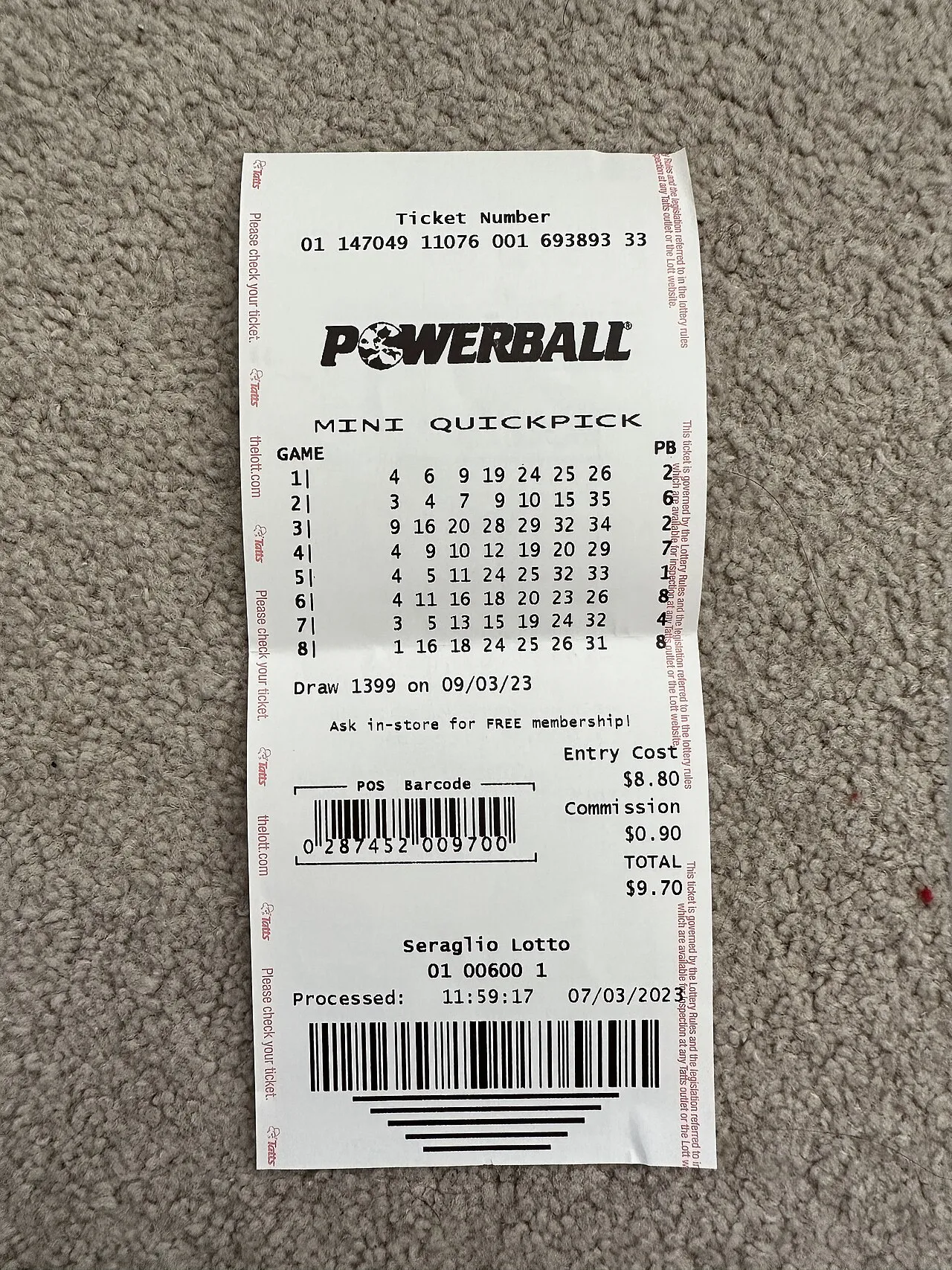
Strip away the billboards and the queues, and Powerball is a machine for generating combinations. Five white balls are drawn from a drum of 69, and one red Powerball from a drum of 26. Multiply the possibilities together and you get the number that governed this week’s excitement: 292,201,338 possible jackpot combinations, and a jackpot that reached an estimated $562 million on Wednesday, October 14, with the next draw on Saturday, October 17.
Why the prize pool swells so predictably
The jackpot starts at $20 million. Each draw that ends without a perfect match rolls the accumulated prize money forward, and because every $2 ticket contributes to the pool, the prize grows in step with sales. Big prizes sell more tickets, so growth accelerates: a run can crawl for weeks and then leap by tens of millions between draws. That is how a game of pure chance produces a headline figure on a fairly predictable curve, visible to anyone who follows the results at powerball.com.
Reading the smaller numbers
The jackpot dominates coverage, but the game’s other eight prize tiers are where almost all winners actually land. Matching four white balls and the Powerball pays $50,000. Matching the five white balls without the Powerball pays $1 million, a life-changing sum that attracts a fraction of the attention. The overall chance of winning something is about 1 in 24.9, which is why so many players experience the small wins that keep the game engaging. Statisticians note this is a feature, not a coincidence: frequent small rewards are what sustain participation in any game of chance.
The two numbers winners must choose between
For the jackpot winner, the decisive numbers are not on the ticket. They are the annuity value, $562 million paid over 30 years in payments rising 5 per cent annually, and the cash value, the single lump sum actually held in the pool, typically a little over half as much. From either figure, federal tax takes a major share: 24 per cent is withheld up front, and winnings are taxed as income up to the 37 per cent top rate, with state tax added in most states. Financial planners model both paths before any claim is filed.
What the numbers cannot tell you
No analysis of hot numbers, overdue numbers or birthday patterns changes any ticket’s chance, because the drums have no memory. Every one of the 292 million combinations is equally likely in every draw, which is the single fact worth carrying into Saturday’s game.
The draw itself, minute by minute
Behind the televised moment sits a ritual of verification. Drawings are conducted under the supervision of auditors, with ball sets and machines selected at random and tested before and after. The five white balls and the red Powerball are drawn in Tallahassee, Florida, and results are then verified across all participating lotteries before prizes are confirmed. That ceremony exists because the game’s entire economics rest on trust in randomness: the moment players suspect the numbers are anything but chance, the rollover engine stops. For the statistically minded, the draw is also a neat demonstration of independence: the balls that appeared on Wednesday carry no memory into Saturday, however strongly human pattern-seeking insists otherwise. Every draw restarts the universe at 292,201,338 possibilities, which is either the bleakest or the most hopeful sentence in this article, depending on whether you bought a ticket.
We like evidence over hunches in everything we publish, from lottery maths to research showing that smartphone bans boost results, with biggest gains for strugglers. Play the draw if you enjoy it, spend a token amount, and let the numbers be entertainment rather than expectation.
