

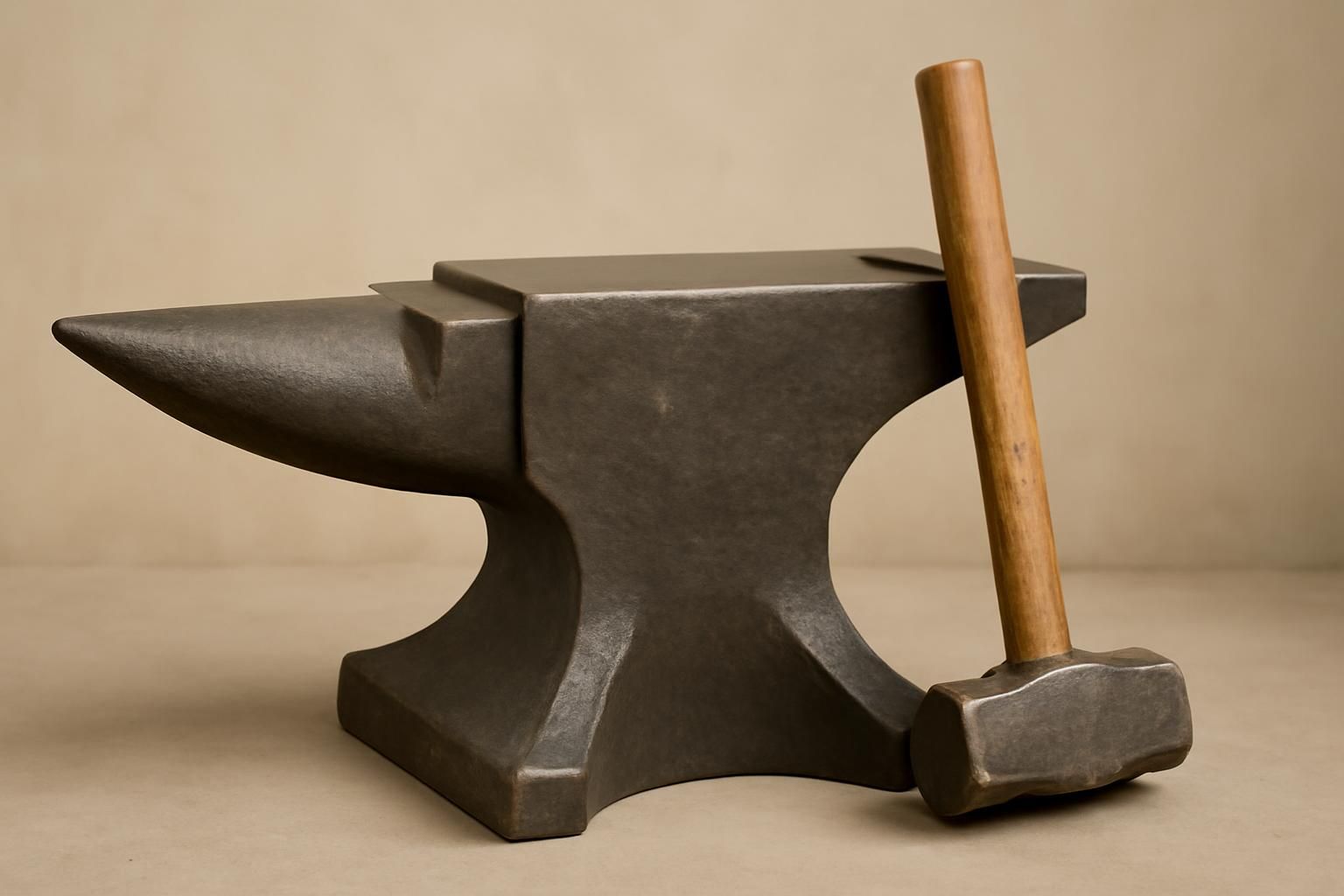
The San Fernando Valley has long served as a quiet industrial backbone for the greater Los Angeles metropolitan area, housing specialized manufacturing hubs, automotive restoration shops, and architectural metal fabricators. Behind plain concrete exteriors and unassuming roll-up doors, master craftsmen transform raw steel tubes, iron bars, and heavy plates into structural perimeters, custom entry gates, and architectural frameworks. Understanding what happens inside a working steel shop reveals the intersection of traditional blacksmithing, advanced engineering, and precise metal fabrication.
Operating a modern fabrication facility requires rigorous adherence to technical standards, deep metallurgical knowledge, and skilled craftsmanship. This comprehensive guide explores the daily operations, heavy machinery, fabrication workflows, and quality control measures that define professional metalworking within an active Van Nuys manufacturing shop.
The Anatomy of a Modern Metal Fabrication Facility
A professional steel fabrication shop is organized to move raw materials through a structured sequence of cutting, shaping, welding, and finishing. Unlike retail storefronts, industrial workshops are engineered to handle massive raw stock weight while maintaining millimeter-level precision.
Raw Material Storage and Inventory Management
Fabrication begins in the stock yard or material warehouse where structural steel tubing, angle iron, flat bars, and specialized plates are stored. Steel stock is categorized by alloy grade, wall thickness, and dimensional profile. High-grade structural steel provides the tensile strength and load-bearing capacity necessary for architectural gates, security frames, and heavy commercial doors.
Cutting, Sawing, and Plasma Profiling Stations
Once raw stock is selected, it moves to the cutting floor. High-capacity band saws and automated cold saws slice structural tubing to exact engineering lengths. For intricate architectural designs, custom brackets, or decorative panels, computer-controlled plasma cutters and laser cutting tables carve complex geometric patterns from steel sheets with extreme dimensional accuracy.
The Fabrication Workflow: From Blueprint to Assembly
Transforming raw steel pieces into a cohesive, structurally sound architectural element requires a meticulous workflow divided into specialized production stages.
|
Fabrication Stage |
Primary Objective |
Key Equipment & Tools Used |
Technical Considerations |
|
1. Layout & Cutting |
Dimensioning raw stock according to approved engineering blueprints |
Band saws, cold cut saws, CNC plasma cutters |
Ensuring precise squareness, accurate angles, and minimal material waste. |
|
2. Tacking & Fitting |
Assembling individual cut pieces into a rigid preliminary framework |
Welding magnets, clamping jigs, square framing tools |
Verifying diagonal measurements to prevent structural warping before final welds. |
|
3. Full Structural Welding |
Permanent metallurgical fusion of joints and structural load points |
MIG, TIG, and Stick welding machines |
Maintaining proper heat penetration, clean bead profiles, and joint strength. |
|
4. Grinding & Smoothing |
Eliminating weld splatter, sharp edges, and surface imperfections |
Angle grinders, carbide burr bits, sanding belts |
Creating smooth, uniform transition lines across visible architectural surfaces. |
Mastering Welding Techniques and Structural Integrity
Welding is the structural heart of any metal fabrication shop. The strength and safety of the final product depend entirely on the skill of the welder and the integrity of the fused metal joints.
MIG and TIG Welding Applications
Metal Inert Gas (MIG) welding is widely utilized for heavy structural steel assembly due to its high deposition rate and deep penetration capabilities, making it ideal for thick gate frames and heavy posts. Tungsten Inert Gas (TIG) welding, on the other hand, is employed when precision, fine aesthetics, and clean visible seams are required on custom architectural ironwork or thin decorative panels.
Preventing Heat Distortion in Long Steel Runs
Applying intense localized heat during welding causes steel to expand and contract, which can warp long structural frames or throw a gate assembly out of square. Professional fabricators utilize strategic stitch-welding patterns, heavy-duty clamping jigs, and controlled cooling periods to dissipate heat evenly and maintain absolute structural straightness.
Surface Preparation and Protective Powder Coating
Raw carbon steel is highly susceptible to atmospheric oxidation when exposed to moisture, humidity, and oxygen. A fabricated piece is only as durable as its protective finish. Professional shops employ rigorous multi-stage coating processes to ensure long-term corrosion resistance.
Abrasive Blasting and Mill Scale Removal
Before any coating can be applied, raw steel must be thoroughly cleaned. Abrasive media blasting strips away mill scale, manufacturing oils, and surface rust, etching the metal surface to create a microscopic bonding profile that paint and primers can grip securely.
Epoxy Primers and Thermal Powder Curing
Following abrasive cleaning, fabricators apply a zinc-rich epoxy primer to form a sacrificial chemical barrier against rust. The final protective layer typically consists of a thermoset powder coating applied electrostatically and cured in industrial ovens. This thermal curing process produces a dense, uniform, weather-resistant finish that withstands UV radiation, scratching, and environmental moisture far better than traditional liquid paint.
Safety Standards and Quality Control Protocols
Industrial fabrication environments involve heavy machinery, high-voltage electrical equipment, and intense thermal energy. Maintaining a strict safety culture protects craftsmen and guarantees consistent product quality.
Structural Load Testing and Inspection
Before leaving the shop floor, finished assemblies undergo rigorous quality checks. Inspectors verify dimensional accuracy against engineering blueprints, examine weld penetration and surface smoothness, and test moving mechanical parts such as heavy-duty hinges, pivot points, and sliding tracks.
Compliance with Industry Building Codes
Architectural metalwork destined for residential and commercial properties must comply with regional building codes, seismic engineering standards, and safety regulations. Whether constructing a heavy driveway gate or structural security fencing, fabricators ensure that every installation supports required wind loads and operational duty cycles.
Those interested in learning more about the heritage, technical capabilities, and craftsmanship standards behind professional metalworking can review the foundational background provided when they exploreAbout Star Steel to understand how custom fabrication bridges traditional skills with modern engineering.
The Enduring Value of Custom Metal Craftsmanship
Behind the doors of a busy San Van Nuys steel shop lies a blend of heavy industry and fine detail work. From raw steel bars stacked neatly in warehouse bays to finished, powder-coated architectural masterpieces ready for site installation, professional fabrication requires patience, technical precision, and unwavering dedication to structural integrity. By combining traditional welding expertise with modern engineering standards, master fabricators produce durable metal installations that secure properties and elevate architectural design for decades.
