

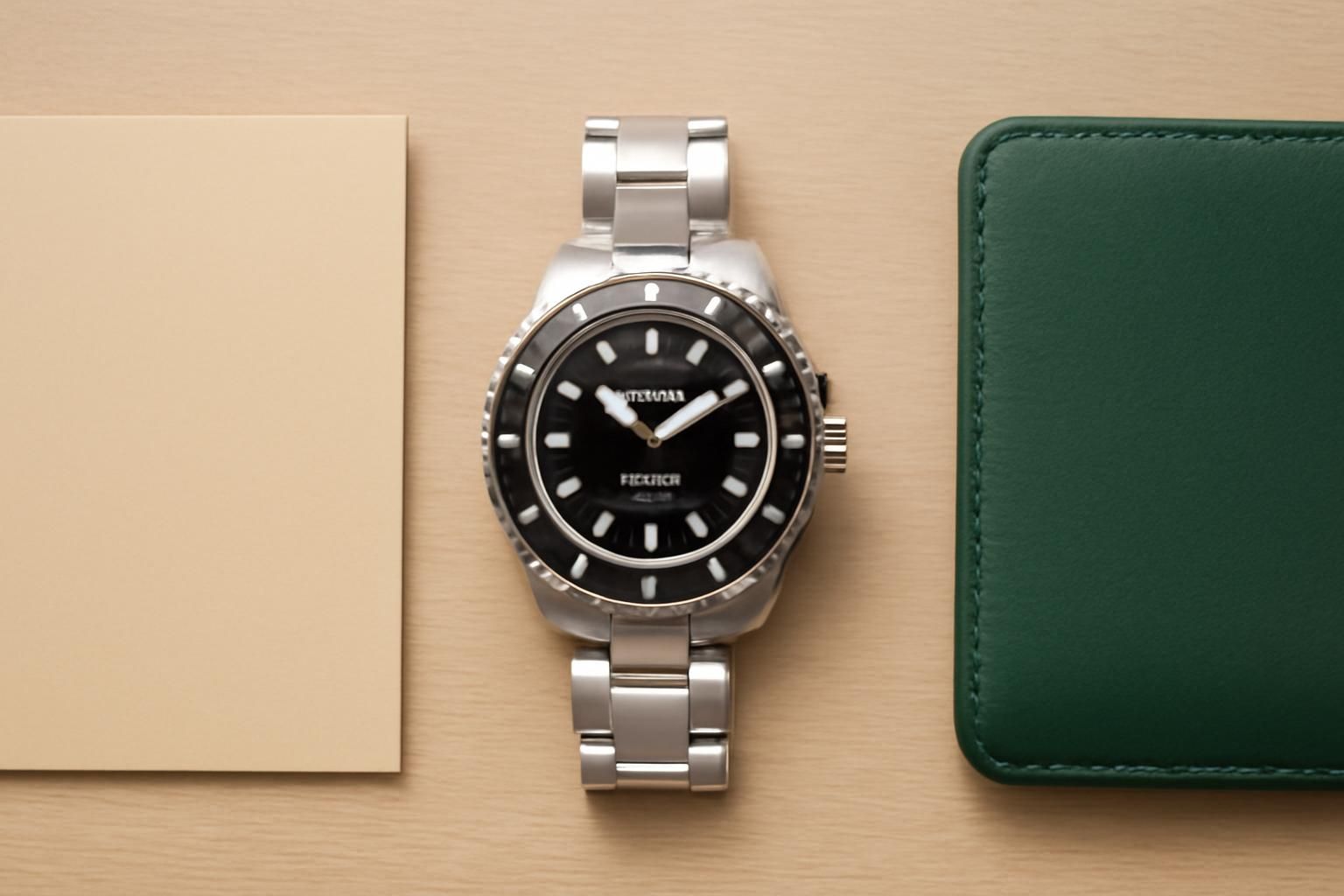
Horological history includes very few timepieces that achieve the universal recognition and enduring utility of the Rolex Submariner. Introduced in 1953 as a dedicated instrument for underwater exploration, it quickly transcended its professional origins to become an icon of luxury, adventure, and timeless design. Because new inventory at authorized dealers is exceptionally scarce and subject to extensive waiting lists, the secondary market has become the primary destination for prospective buyers. Navigating the pre-owned market requires a careful balance of mechanical knowledge, authentication awareness, and an understanding of specific reference features. Knowing how to evaluate condition, verify components, and assess market pricing ensures that your investment yields an authentic, reliable piece that retains its value for decades.
The Heritage and Appeal of the Dive Watch Standard
The Submariner established the benchmark for modern professional dive watches. Its foundational requirements were clear: absolute waterproofness, high-contrast legibility in low-light environments, and a unidirectional rotating bezel to safely track immersion times. Over successive decades, Rolex refined the design by introducing crown guards, sapphire crystals, corrosion-resistant ceramic bezels, and robust in-house mechanical movements.
The appeal of acquiring a pre-owned model extends beyond bypassing long retail waiting lists. The secondary market offers access to discontinued references, such as vintage tritium dial variants with warm patina, classic aluminum bezel inserts, and discontinued case proportions that appeal to traditionalists. Whether seeking a neo-vintage collector piece or a modern ceramic reference with daily wear durability, understanding the marketplace dynamics is essential for a successful acquisition.
Key Eras and Generations to Consider
The evolution of the Submariner spans multiple decades, categorized into vintage, neo-vintage, and modern eras. Each period features distinct technical specifications and aesthetic characteristics.
Vintage References (Pre-1980s)
Vintage models, such as early references without crown guards or historical red-text editions, are prized by collectors for their historical significance. These pieces feature acrylic crystals, tritium luminous material that ages to a warm cream or amber hue, and riveted or folded-link bracelets. While rich in character, vintage models require careful verification of water resistance and part originality.
Neo-Vintage Era (1980s to 2010)
Spanning references equipped with sapphire crystals and high-beat calibers, neo-vintage pieces offer a reliable bridge between historical charm and modern durability. References from this era introduced scratch-resistant synthetic sapphire crystals, white gold hour marker surrounds, and improved luminescent compounds, making them practical for regular wear.
Modern Ceramic Era (2010 to Present)
Current-generation references feature scratch-proof Cerachrom ceramic bezels, wider case proportions, maxi dials with larger luminous plots, and advanced mechanical movements equipped with extended power reserves and paramagnetic hairsprings.
|
Generation Era |
Crystal Type |
Bezel Material |
Bracelet Clasp Style |
|
Vintage |
Domed Acrylic |
Painted Aluminum |
Folded steel or riveted links with stamped clasp |
|
Neo-Vintage |
Sapphire |
Anodized Aluminum |
Solid links with Fliplock security clasp |
|
Modern |
Sapphire |
Monobloc Ceramic |
Solid Oyster bracelet with Glidelock extension |
Evaluating Condition and Originality
When examining a pre-owned timepiece, condition is the single most critical factor influencing market value and long-term reliability. Buyers must look beyond surface appearances to assess structural integrity.
Case Polish and Sharpness
A common pitfall in the secondary market is excessive or improper polishing. Factory cases feature crisp, defined chamfered edges along the lugs and vertical satin-brushed finishes on the upper surfaces. Over-polished cases lose their original bevels, resulting in rounded edges and thinned metal mass around the spring bar holes. Inspecting the lugs under magnification reveals whether a watch retains its original factory geometry.
Dial, Hands, and Luminous Material
Originality dictates value, particularly in vintage and neo-vintage markets. Ensure that the dial and hands match the correct production era. For example, tritium dials should exhibit luminous material that matches the hands in color and aging consistency. Replacement service dials or relumed hands significantly impact collector valuation.
Navigating the Secondary Marketplace
Finding a reputable source is the most effective safeguard against counterfeit components, stolen property, or undisclosed mechanical defects. Collectors exploring verified inventory frequently examine curated platforms offering an authenticated Pre Owned Rolex Submariner collection, ensuring that every timepiece undergoes rigorous inspection for mechanical accuracy, waterproof integrity, and component originality.
When evaluating a seller, confirm their industry reputation, return policies, and whether they provide a comprehensive mechanical warranty covering the movement. Reputable dealers disclose all restoration work, replacement parts, and service history.
Movement Performance and Mechanical Inspection
Beneath the solid screw-down case back lies an automatic mechanical movement engineered for high-precision timekeeping. Modern references utilize robust self-winding calibers featuring Paraflex shock absorbers and paramagnetic blue Parachrom hairsprings.
When assessing mechanical health:
- Check Amplitude and Beat Error: Professional watchmakers use timing machines to measure the movement’s beat rate, amplitude, and daily rate deviation.
- Test Winding Smoothness: Manual winding should feel consistent and smooth without grinding resistance, and the screw-down crown should engage threads securely without slipping.
- Verify Power Reserve: Ensure the fully wound movement maintains running autonomy matching factory specifications, typically ranging from 48 to 70 hours depending on the caliber generation.
|
Inspection Parameter |
What to Look For |
Significance |
|
Crown Engagement |
Smooth threading and firm gasket compression |
Guarantees complete water resistance and moisture exclusion |
|
Bezel Rotation |
Firm, crisp 120-click unidirectional ratcheting |
Ensures accurate dive-time calculation without accidental slippage |
|
Bracelet Stretch |
Minimal sag when held horizontally |
Indicates low wear on internal link pins and bushings |
Preserving Your Investment Through Proper Care
Owning a luxury mechanical timepiece requires mindful maintenance to protect its performance and physical appearance over decades of use.
Service mechanical movements every five to ten years through certified horological specialists to replenish internal lubricants and replace worn seals. After exposure to saltwater, perspiration, or chlorinated pools, rinse the exterior case and bracelet thoroughly with fresh water to prevent salt accumulation around the bezel mechanism and clasp hinges. Store timepieces in climate-controlled environments away from strong magnetic appliances to maintain balance spring stability.
Making a Confident Acquisition
Purchasing a pre-owned luxury dive watch is a rewarding endeavor that connects the wearer to decades of maritime history and engineering excellence. By prioritizing original case geometry, mechanical authenticity, and reputable dealer provenance, buyers can secure a distinguished timepiece that delivers unwavering reliability, timeless style, and enduring value across generations.
