

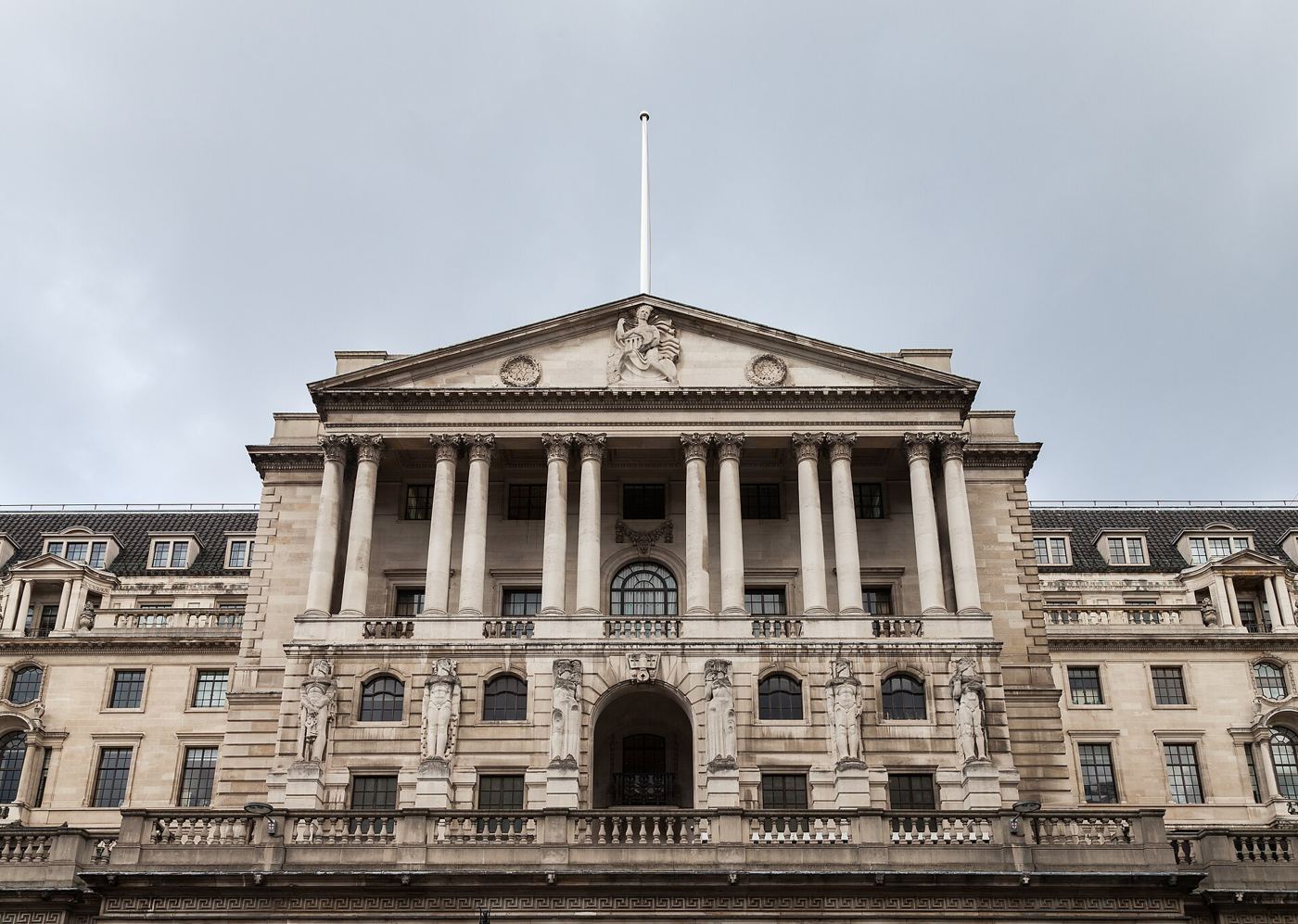
Yields on British government bonds have risen above 5.3 percent for ten-year debt, the highest level since October 2023, as markets price in further interest rate rises. Two-year gilt yields have also climbed above 5 percent. The Bank of England raised its main rate to 4 percent on 5 November, its first increase in more than three years, after inflation reached 3.5 percent in September and 3.6 percent in October. The central bank expects inflation to rise to around 5 percent by the middle of 2027, driven by higher energy prices, before gradually declining. Financial markets are pricing a probability of more than 80 percent for a further rate increase in December, and Bank officials have indicated that further tightening may be required in 2027.
What the Evidence Shows
Higher gilt yields matter beyond the bond market, since they set the price of government borrowing and feed directly into the cost of fixed-rate mortgages. Benchmark two-year mortgage rates have risen by nearly 0.50 percentage points since the beginning of September, and average fixed mortgage pricing is now close to 6 percent. The Chancellor’s first Budget, delivered on 28 October, included a 100-pound winter payment for around 20 million households, and the Bank estimates the Budget measures will reduce inflation by around a quarter of a percentage point by the second quarter of 2027. Yields on government bonds also shape the cost of business borrowing and the returns on pensions and savings. If inflation keeps rising towards 5 percent, yields could climb further and keep borrowing costs high for households and firms alike. Reporting and analysis from sources such as Financial Times track the same developments, and specialists following the rise in UK gilt yields say the direction is now consistent across independent lines of evidence.
The Wider Context
The wider context is a financial system repricing risk after a long era of cheap money. Decisions shaped by the rise in UK gilt yields are being made under closer supervisory attention, with stress tests and disclosure rules that assume conditions can worsen quickly. Institutions that planned for the benign case are adjusting in public, which is uncomfortable and healthy in equal measure.
What Happens Next
What happens next with the rise in UK gilt yields will be visible first in the data that professionals watch weekly: flows, spreads and the terms on new deals. Participants who spoke for this article expect a period of adjustment rather than drama, with the biggest effects landing on those who assumed the old conditions were permanent. Planning, as ever, is the cheapest hedge. You can follow related developments in our coverage of finance.
None of this will be settled by a single announcement, study or product launch. The pattern to watch is accumulation: independent confirmations, honest reporting of failures and steady improvement in the underlying numbers. Readers who follow those signals, rather than the loudest claim of the week, will understand this subject better than most of the commentary surrounding it suggests is possible.
