

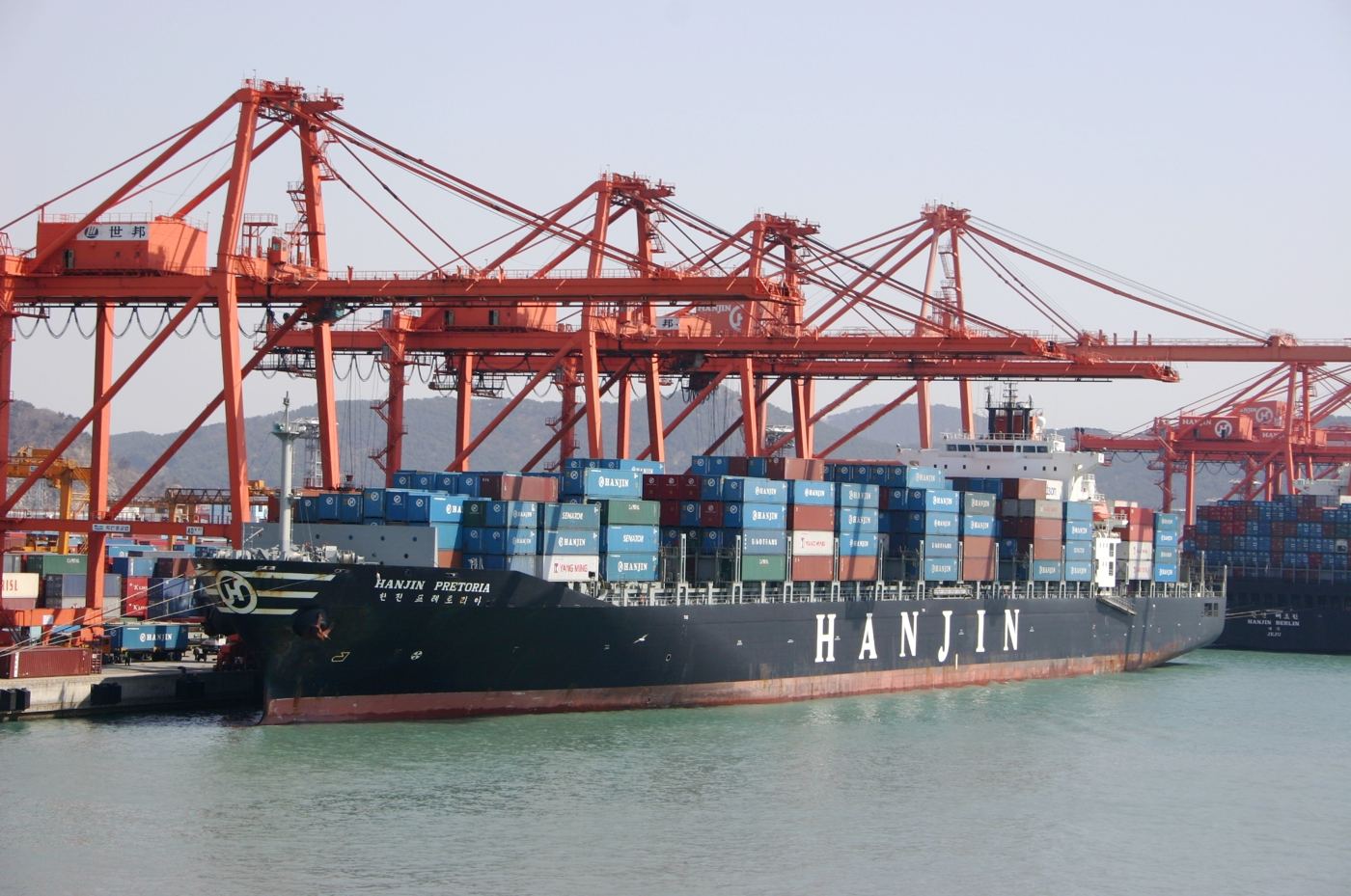
South Korea’s exports more than doubled during the first 20 days of November 2026, with semiconductor shipments surging to a record high, customs data showed on 23 November. Outbound shipments reached 77.4 billion dollars in the 1 to 20 November period, up 101.5 percent from 38.4 billion dollars a year earlier, the highest figure for the first 20 days of any month. Exports of chips nearly quadrupled to 38.5 billion dollars, setting a fresh record for the period, and accounted for 49.7 percent of the country’s total outbound shipments, up 24.3 percentage points from a year earlier. Annual exports topped 1 trillion dollars for the first time on 19 November, the trade ministry said, driven almost entirely by semiconductors and high-tech demand.
What the Evidence Shows
The surge was broad as well as deep. In the first ten days of November, exports to China rose 148 percent to 9.16 billion dollars and exports to the United States rose 163.6 percent to 6.79 billion dollars, while petroleum product exports more than doubled. Chip exports have climbed steeply all year: in the first 20 days of each month they totalled 258.5 billion dollars over the first eleven months of 2026, about three times the 86.9 billion dollars of the same months of 2025. The figures are preliminary customs-clearance data, and Korea publishes them before most large economies release any trade data for the month, which is why investors in chip stocks around the world watch them closely. Full-month figures are due at the start of December. Reporting and analysis from sources such as Financial Times track the same developments, and specialists following South Korea’s record chip exports in November say the direction is now consistent across independent lines of evidence.
The Wider Context
The wider context is a financial system repricing risk after a long era of cheap money. Decisions shaped by South Korea’s record chip exports in November are being made under closer supervisory attention, with stress tests and disclosure rules that assume conditions can worsen quickly. Institutions that planned for the benign case are adjusting in public, which is uncomfortable and healthy in equal measure.
What Happens Next
What happens next with South Korea’s record chip exports in November will be visible first in the data that professionals watch weekly: flows, spreads and the terms on new deals. Participants who spoke for this article expect a period of adjustment rather than drama, with the biggest effects landing on those who assumed the old conditions were permanent. Planning, as ever, is the cheapest hedge. You can follow related developments in our coverage of finance.
None of this will be settled by a single announcement, study or product launch. The pattern to watch is accumulation: independent confirmations, honest reporting of failures and steady improvement in the underlying numbers. Readers who follow those signals, rather than the loudest claim of the week, will understand this subject better than most of the commentary surrounding it suggests is possible.
