

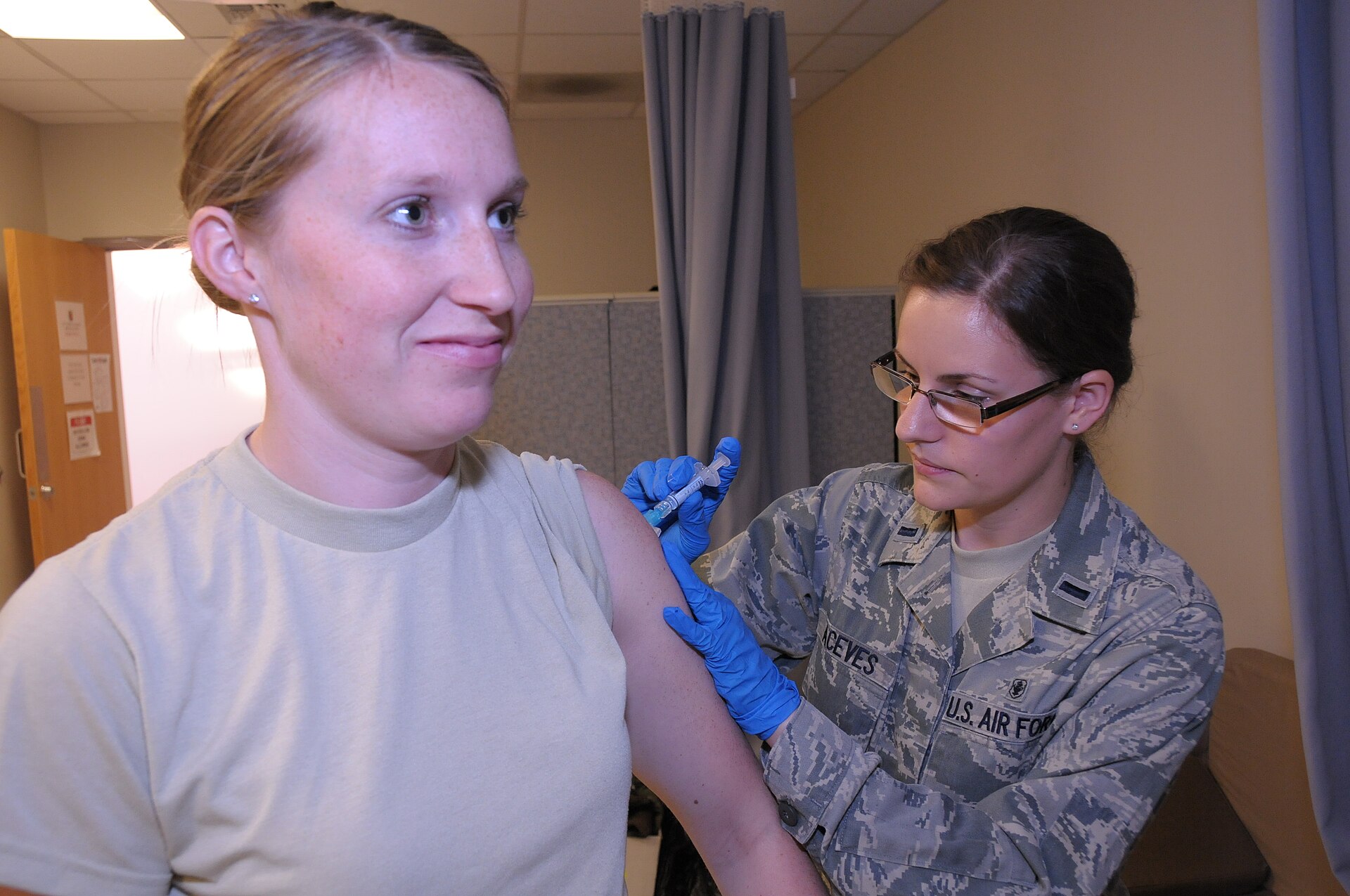
US health authorities have recorded 4,410 measles cases after an 8 percent increase in a single week. The rise underlines how dependent the country remains on high vaccination rates: where coverage is strong, outbreaks sputter out; where it has slipped, the virus finds room to move. Doctors say calm, accurate information is the best response.
Why Measles Finds Room to Spread
Epidemiologists explain the trend with a short list. Immunity gaps come first: even a small fall in local vaccination rates creates networks where the virus can travel from person to person. Imported cases come second, seeded by travel from regions where measles circulates widely. The virus’s own biology finishes the job, since few pathogens spread as efficiently through shared air and casual contact.
Vaccines have featured prominently in our health coverage lately, including our recent article on experimental vaccine progress on early trial research.
What the Illness Looks Like
Measles usually begins like a heavy cold: high fever, cough, a runny nose and red, watery eyes, typically appearing a week or two after exposure. Tiny white spots can develop inside the mouth, and the well-known red rash follows a few days later, starting at the hairline and spreading down the body. Anyone who suspects measles should phone a clinician before visiting in person, so arrangements can limit exposure to others.
What Families Are Advised to Do
Public health agencies continue to recommend two doses of the measles-containing vaccine for children, with catch-up vaccination for anyone who missed out. Protection after two doses is strong and long-lasting. Adults planning travel, students entering communal settings, and anyone uncertain whether they were vaccinated are advised to review their records with a clinician, since a documented dose is far easier than a preventable illness.
Official information, including who should be vaccinated and when, is published by the Centers for Disease Control and Prevention and is kept current as the situation develops.
The Balanced Picture
The honest summary is a two-part one. Yes, 4,410 cases and an 8 percent weekly rise show a virus taking advantage of every gap it is offered. And yes, the response is well rehearsed: identify cases, warn contacts, vaccinate the unprotected. Communities that do those things reliably are the ones where measles stories end, and the guidance for everyone else is simply to check a record and close any gap.
How Outbreaks Are Contained
The coming weeks will show whether the current chains of transmission are shortening. A useful signal is the share of cases linked to known outbreaks versus cases appearing without an identified source; the former suggests tracing is keeping pace, the latter that the virus is moving unseen. Either way, the underlying arithmetic is unchanged: every percentage point of vaccination coverage regained removes fuel the virus would otherwise eventually find.
Schools in affected areas may ask unvaccinated students to stay home during an outbreak, a standard measure intended to break transmission while protecting those most at risk.
People born before 1957 are generally presumed immune through childhood infection, though healthcare workers and travellers in that group are still advised to confirm their status.
A person with measles can spread the virus from four days before the rash appears until four days afterwards, which is why prompt isolation after symptoms start matters so much.
Laboratory confirmation is used to distinguish measles from other rash illnesses and to type the virus, helping officials link cases and spot new importations early.
Clinicians stress that antibiotics do not treat measles itself, though they may be needed for bacterial complications such as ear infections or pneumonia that can follow it.
Health departments responding to cases typically work backwards through flights, schools and clinics to warn anyone who shared airspace with an infectious person during the contagious window.
Doctors note that vitamin A is sometimes given to hospitalised children with measles under medical supervision, but it is a treatment support, not a substitute for vaccination.
Because measles was declared eliminated in the US in 2000, every chain of transmission today traces back, directly or indirectly, to a case imported from abroad.
