

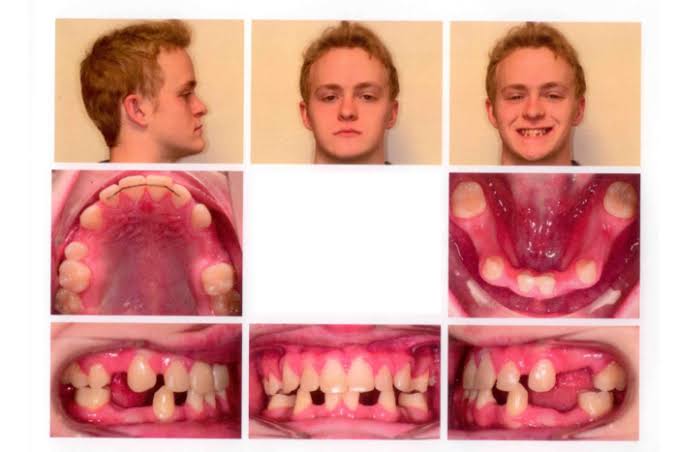
You may have noticed that your child’s baby teeth came in a little differently, or maybe a dentist mentioned that an adult tooth does not seem to be developing at all. That can land hard. Most parents expect loose baby teeth, new permanent teeth, and a fairly predictable timeline. Hearing that a tooth may never come in can leave you wondering what happened, whether it means something larger, and what your child’s smile will look like later on. If you are looking for answers, a kid-friendly dentist serving Oxnard, CA can help you understand what to expect and what options may be available.
Why some children are born missing permanent teeth usually comes down to tooth development that never fully starts. The medical term is hypodontia when a few teeth are missing, and more severe cases can involve many missing teeth. Sometimes this happens on its own. Sometimes it runs in families. Sometimes it is linked to a condition that affects hair, nails, sweat glands, and teeth. The good news is that this is known, diagnosable, and treatable with the right planning and a trusted pediatric dentist.
Missing permanent teeth often start with genetics and early development
Permanent teeth begin forming long before you can see them. If the tooth bud never develops, the tooth has nothing to erupt from later. That is the simplest reason a child can be born without one or more adult teeth. According to MedlinePlus information on missing teeth, absent teeth can be tied to inherited traits, developmental differences, or certain syndromes.
This tends to show up in a pattern. The most commonly missing permanent teeth are often the upper lateral incisors, second premolars, and wisdom teeth. Some children are missing just one tooth. Others are missing several. You might hear a dentist use the phrase congenitally missing teeth in children, which means the teeth were absent from birth, even if no one knew it until later X rays.
That delay is part of what makes this so confusing. A child can look completely typical for years, then one day a baby tooth does not loosen when expected, or a space remains where a permanent tooth should be. The problem has usually been there all along.
Some cases point to a broader health condition
When multiple permanent teeth are missing, dentists often look more closely at family history and overall development. One condition linked to missing teeth is ectodermal dysplasia. The National Institute of Dental and Craniofacial Research explains ectodermal dysplasia as a group of conditions that can affect teeth along with hair, nails, and sweat glands.
This does not mean every child with a missing tooth has a syndrome. Most do not. Still, if your child also has sparse hair, unusual nails, heat intolerance, or many missing teeth, that fuller picture matters. It can change how the dental team plans treatment and whether your child should also see a physician or genetic specialist.
The larger concern for many parents is not just the cause. It is the ripple effect. Missing permanent teeth can affect chewing, speech, spacing, bite development, and confidence. If a baby tooth stays in place for years, it may work well for a while, but baby teeth are smaller and not built to last forever. If it loosens too early and no adult tooth is underneath, the nearby teeth can drift into the space and complicate later treatment.
A pediatric dentist can confirm what is missing and what comes next
The first real answer usually comes from dental X rays and a careful exam. A pediatric dentist looks at which teeth are present, which are delayed, and which appear truly absent. In more complex cases, the diagnostic process may involve a team approach. The NCBI review on hypodontia describes how missing teeth are assessed and how treatment often involves pediatric dentistry, orthodontics, prosthodontics, and sometimes oral surgery.
This matters because treatment is rarely one size fits all. If your child is missing one lower premolar but has healthy spacing and a strong baby tooth still in place, the plan may be simple monitoring. If several front teeth are missing, the plan may include orthodontic space management and later tooth replacement. Timing is everything. A solution that works at age eight may not be the final plan at age sixteen.
Common concerns when a child is born without permanent teeth
| Concern | What it can mean | Common next step |
|---|---|---|
| A baby tooth is not getting loose | No permanent tooth underneath, or delayed eruption | X rays and growth monitoring |
| A visible gap remains after the expected age | Congenitally absent tooth or blocked eruption | Diagnosis and space planning |
| Several permanent teeth are missing | May point to a genetic pattern or syndrome | Full dental exam and possible medical referral |
| Chewing or speech seems affected | Spacing and bite changes may be developing | Early treatment planning with specialists |
| Worry about future appearance | Front tooth gaps can affect confidence | Orthodontic and restorative planning over time |
Early planning reduces stress and protects future options
You do not need every answer at once. You do need a plan that matches your child’s stage of growth. That is where missing adult teeth causes become more than a diagnosis. They guide decisions. Keep the baby tooth as long as possible if it is healthy. Preserve space if replacement will come later. Watch jaw growth. Avoid rushing into a permanent fix before the mouth is ready.
Parents often feel pressure to solve the whole issue quickly, especially if the missing tooth is in the front. That pressure is understandable. Still, dental treatment for pediatric dentist cases like this works best when it is paced correctly. A temporary cosmetic option may help now, while the long term plan waits for growth to finish.
Three practical steps you can take right away
Schedule a focused dental evaluation. If your child has a delayed tooth, a retained baby tooth, or a gap that does not make sense, get clear imaging and a pediatric dental exam. A wait and see approach is only useful after someone has confirmed what is actually there.
Ask for a growth based treatment plan. You want more than a label. Ask which teeth are missing, how that affects spacing and bite, whether a baby tooth can be preserved, and what decisions need to happen now versus later.
Watch for clues beyond the teeth. If your child has several missing teeth or other traits such as sparse hair, nail changes, or trouble with heat, bring that up. Those details can help the care team decide whether a broader medical evaluation makes sense.
Answers help, and a plan helps even more
If your child is born missing permanent teeth, you are not overreacting by wanting clarity. This affects more than a timeline on a chart. It touches eating, speech, appearance, and the way your child feels about smiling. A thoughtful evaluation can tell you what is missing, why it may have happened, and how to protect your child’s options as they grow.
Start with a pediatric dentist who can map out the next steps and help you make calm, informed decisions for the years ahead.