

The drawer full of tangled chargers is finally getting thinner. USB-C, the small oval connector now found on almost every new phone, tablet and laptop, has become the single standard for charging, and the European Union has made it law. Since 28 December 2024, new phones, tablets, cameras, headphones, earbuds, speakers, e-readers, keyboards and game consoles sold in the European Union must charge over USB-C, and laptops joined the list on 28 April 2026. The rule means one charger can power nearly everything a household owns, and devices can be bought without a charger in the box. The European Commission says the change will save consumers about 250 million euros a year and cut the roughly 11,000 tonnes of discarded chargers thrown away annually. Apple, the last major holdout, moved the iPhone to USB-C in 2023, ending the long era of the Lightning cable.
What the Evidence Shows
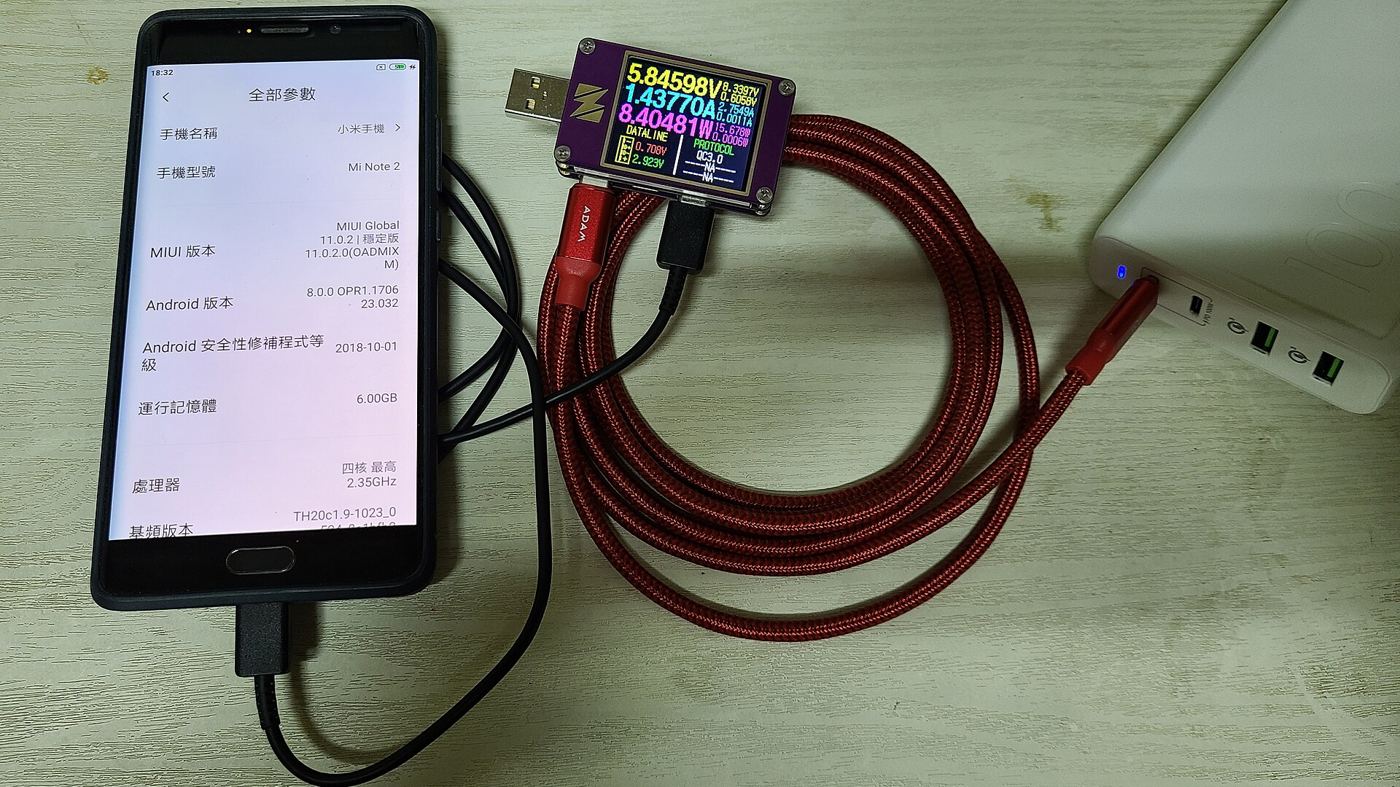
One connector does not mean one speed, and that is where buyers need to be careful. The USB-C shape is only the plug; the power and data a cable carries depend on the standards behind it, from basic charging to USB Power Delivery at up to 240 watts for large laptops. A cheap cable may charge a phone slowly or fail to carry a video signal, so the wattage printed on the charger and the cable matters. The European rules also require clear labels showing charging power and fast-charging support, so buyers can match charger to device. Wireless charging remains outside the rules for now, and the Commission is studying whether to add smartwatches, drones and other devices later. For most people, though, the change is already visible: one cable in the bag, one charger on the desk, and far fewer drawers full of obsolete plugs. Reporting and analysis from sources such as MIT Technology Review track the same developments, and specialists following USB-C common charger say the direction is now consistent across independent lines of evidence.
The Wider Context
The wider context is an industry learning to ship capability and restraint together. Products built around USB-C common charger now launch with safety evaluations, usage data and rollback plans as standard, because enterprise buyers and regulators ask for them in the first meeting. Companies that treated those questions as friction are discovering they have become the purchase criteria.
What Happens Next
What happens next for USB-C common charger depends less on another breakthrough than on the unglamorous work of reliability, pricing and support. The buyers evaluating it now are not enthusiasts; they are operators with budgets and auditors, and their checklists will decide the timeline. On the evidence of the current pilots, the technology has earned the right to be judged by them. You can follow related developments in our coverage of technology.
There is a practical lesson in all of this for readers deciding what to do today. Start with the verified facts, be wary of anyone promising certainty, and prefer reversible steps while the evidence is still developing. Circumstances differ by country, income and personal situation, so general guidance should always be weighed against your own context before you act on it in any significant or lasting way.
