

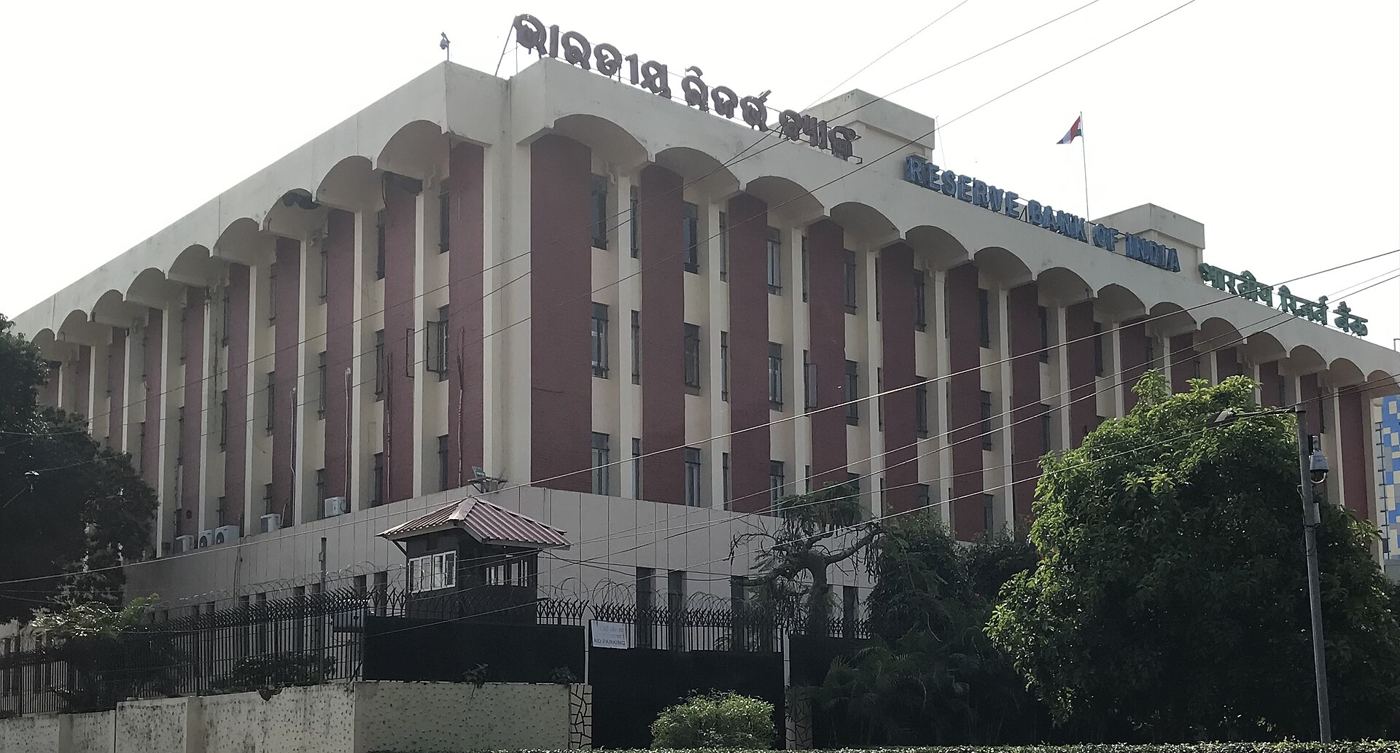
The Reserve Bank of India has raised its key interest rate to 5.50 percent, its first increase since February 2023. The Monetary Policy Committee lifted the repo rate by 25 basis points from 5.25 percent on 7 October 2026, after four holds at 5.25 percent earlier in the year and 125 basis points of cuts during 2025. The committee also shifted its stance to calibrated tightening, signalling that rate cuts are off the table in the near term and that the next move could only be a hike or a pause. The standing deposit facility rate moved to 5.25 percent, and the marginal standing facility rate and bank rate to 5.75 percent. The next decision is due on 4 December 2026. The rise has already fed through to borrowers: floating-rate home loan rates increased by 15 to 25 basis points. State Bank of India home loans now start at 7.50 percent, and Suryoday Small Finance Bank offers 8.60 percent on fixed deposits to senior citizens.
What the Evidence Shows
For India’s millions of home loan borrowers, the hike means higher monthly payments or longer loan tenures, depending on how their bank applies the change. Lenders reset floating rates on different dates, so the impact reaches borrowers over several weeks rather than all at once. Savers, by contrast, benefit from the higher rates on fixed deposits, which several banks revised upwards in November. The decision reflects the central bank’s concern about inflation, which remains above its comfort zone, and comes as India continues to be the fastest-growing major economy in the world. The December meeting will show whether the bank holds at 5.50 percent or tightens further, and borrowers with floating-rate loans should check their reset dates and consider whether to raise their monthly payment rather than extend the loan. Reporting and analysis from sources such as Financial Times track the same developments, and specialists following the Reserve Bank of India’s rate rise say the direction is now consistent across independent lines of evidence.
The Wider Context
The wider context is a financial system repricing risk after a long era of cheap money. Decisions shaped by the Reserve Bank of India’s rate rise are being made under closer supervisory attention, with stress tests and disclosure rules that assume conditions can worsen quickly. Institutions that planned for the benign case are adjusting in public, which is uncomfortable and healthy in equal measure.
What Happens Next
What happens next with the Reserve Bank of India’s rate rise will be visible first in the data that professionals watch weekly: flows, spreads and the terms on new deals. Participants who spoke for this article expect a period of adjustment rather than drama, with the biggest effects landing on those who assumed the old conditions were permanent. Planning, as ever, is the cheapest hedge. You can follow related developments in our coverage of finance.
None of this will be settled by a single announcement, study or product launch. The pattern to watch is accumulation: independent confirmations, honest reporting of failures and steady improvement in the underlying numbers. Readers who follow those signals, rather than the loudest claim of the week, will understand this subject better than most of the commentary surrounding it suggests is possible.
