

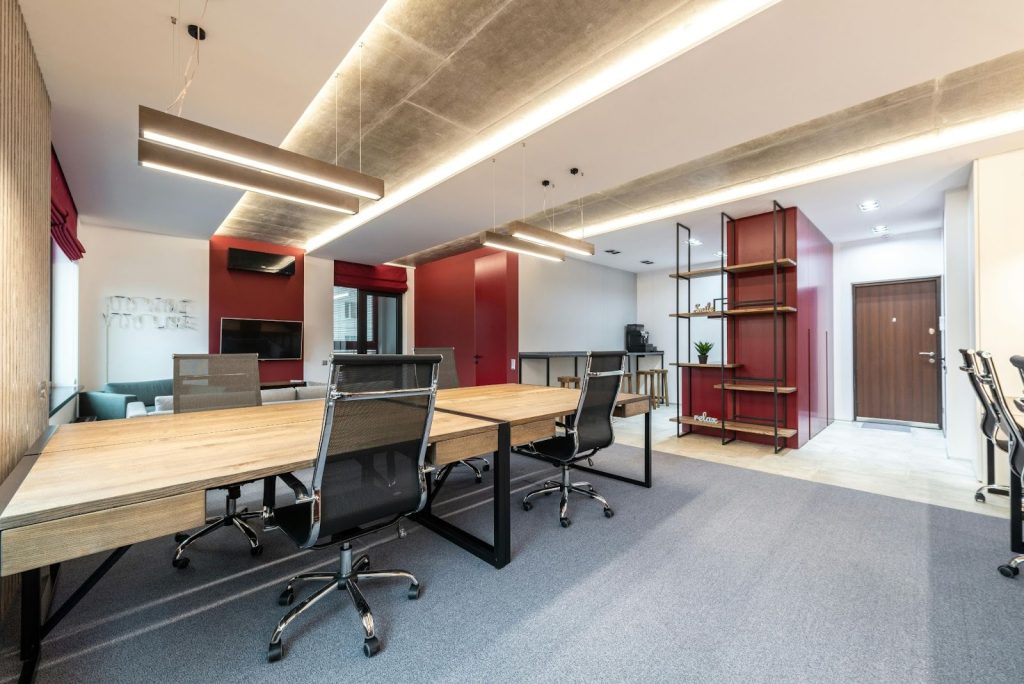
Ever feel a headache creeping in around 2 PM? You might blame your screen time, your posture, or a lack of caffeine, but the real culprit is often hanging right above your head.
We tend to think of the lights in our home or office as purely functional tools—switches we flip so we don’t stub our toes in the dark. However, light is one of the most powerful external cues for our bodies. It dictates our sleep cycles, influences our energy levels, and even sways our emotions.
The way you illuminate your space can mean the difference between a productive, energetic day and one filled with eye strain and fatigue. By understanding the basics of lighting design, you can curate an environment that actually helps you think and feel better.
The Science of Sight
Our bodies are biologically wired to sync with the sun. This internal clock, or circadian rhythm, relies on light signals to tell us when to be alert and when to rest.
When sunlight hits your eyes, it suppresses melatonin (the sleep hormone) and triggers the release of cortisol, which wakes you up. As the sun sets and the light becomes warmer and dimmer, melatonin production kicks back in to prepare you for sleep.
Artificial lighting can hijack this process. High-intensity, cool-toned lighting mimics the midday sun. While this is great for alertness, being exposed to it late at night can ruin your sleep schedule. Conversely, working in a room that is too dim or too warm can signal to your brain that it’s time to nap, making it incredibly difficult to stay focused on a spreadsheet.
Lighting Design for Productivity
If you are setting up a home office or just trying to get through a stack of paperwork, your lighting setup is just as important as your chair. Poor lighting forces your eyes to work harder, leading to fatigue and headaches that kill productivity.
Here are a few ways to optimize your workspace:
- Embrace Natural Light: Whenever possible, position your desk near a window. Natural daylight is the gold standard for keeping your mood high and your mind sharp. Ideally, have the window to your side rather than directly in front of or behind you to reduce glare on your monitor.
- Layer Your Light: A single overhead bulb often creates harsh shadows and isn’t enough for detailed work. Effective lighting design involves “layering.” Combine your overhead ambient light with a dedicated task lamp on your desk. This directs light exactly where you need it—on your notes or keyboard—without over-illuminating the whole room.
- Check the Temperature: For workspaces, look for bulbs labeled “cool white” or “daylight” (around 3500K to 5000K). These cooler tones promote concentration and alertness better than soft, yellow bulbs.
Mood and Atmosphere
Lighting doesn’t just affect how much work you get done; it changes how a room makes you feel. Think about the difference between a fast-food restaurant and a candlelit bistro. The fast-food joint uses bright, uniform, cool lighting to encourage quick turnover and alertness. The bistro uses low, warm pools of light to encourage relaxation and intimacy.
You can apply this to your home. In living rooms and bedrooms, you want to shift away from the productivity-focused cool light. Switch to “warm white” bulbs (2700K to 3000K). This warmth creates a cozy, welcoming atmosphere that helps you decompress after a long day.
Using dimmer switches is another fantastic way to control the mood. They allow you to transition your home from a bright, active space in the morning to a softer, relaxing sanctuary in the evening.
Brighten Your Day
You don’t need a complete home renovation to see the benefits of better lighting. Start small. Swap out that harsh white bulb in your bedside lamp for a softer, warmer one. Add a small desk lamp to your workspace to reduce eye strain.
By paying attention to the color and intensity of your lights, you can hack your environment to support your biology. Good lighting design isn’t just about making a room look good; it’s about making you feel good while you’re in it.
