

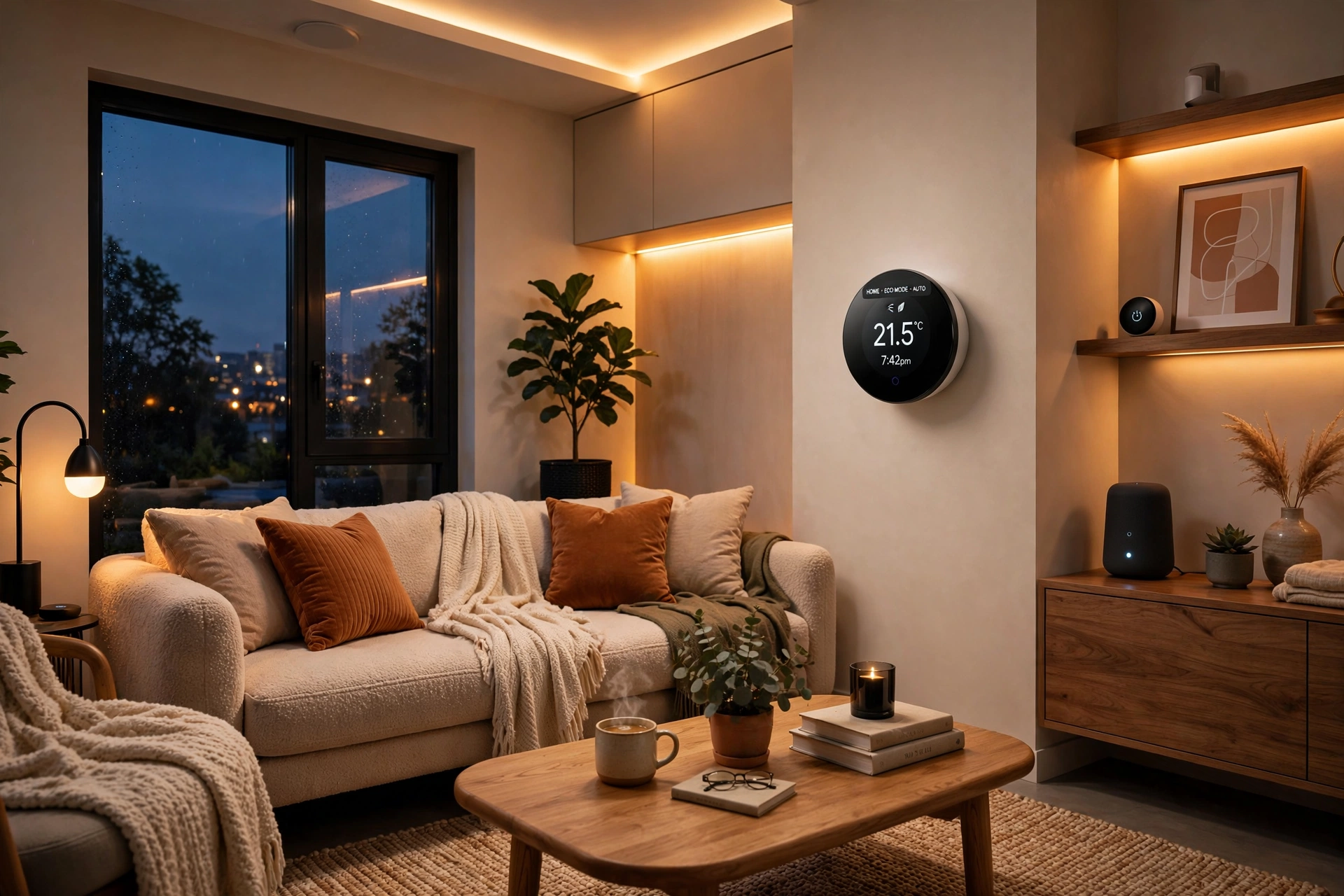
Walk into a newly built home in 2026 and you will find a small army of connected devices: lights that dim on a schedule, a thermostat that learns your habits, locks that recognise your phone. Yet ask homeowners which gadgets they actually use a year later, and the list shrinks dramatically. The smart home is maturing — and the winners are the devices that solve everyday problems quietly.
The Devices That Earn Their Place
Smart lighting remains the most-used category, largely because it is invisible once set up: lights that follow sunset, dim for movie night, and switch off when the house empties. Smart thermostats come next, justified by measurable energy savings rather than novelty. Video doorbells have also become standard in many neighbourhoods, valued as much for package deliveries as for security.
If you are starting from scratch, our technology coverage walks through the sensible order of purchases. The consistent advice from installers: begin with lighting and climate, add security next, and treat everything else as optional.
The Interoperability Problem Is (Mostly) Solved
For years, the smart home was fragmented into incompatible camps. The Matter standard changed that. Devices from rival brands now join the same network and respond to the same apps, which means buyers can choose on quality and price instead of ecosystem loyalty. The Connectivity Standards Alliance, which maintains Matter, continues to expand it to new device types including appliances and energy monitors.
The practical result: a 2026 smart home is far less likely to end up in a drawer. Setup that once took an evening of troubleshooting now takes minutes, and devices keep working when you switch phone brands.
Energy Management Is the New Killer App
The fastest-growing use case is not entertainment but energy. With electricity prices volatile, households are using smart plugs, solar-aware controllers and battery systems that charge when power is cheap and discharge when it is expensive. Some homes now earn money back by feeding stored energy to the grid at peak times. The smart home, in other words, has started paying rent.
This shift also explains the rise of whole-home energy dashboards. Seeing exactly which appliance consumes what turns saving energy from a vague intention into a game with a score — and behaviour follows measurement.
Privacy: The Conversation Buyers Are Finally Having
Always-listening microphones and cameras inside the home raise obvious questions, and manufacturers have responded with local processing: more devices now handle voice commands and motion detection on the device itself instead of streaming everything to the cloud. Buyers in 2026 increasingly ask where their data goes before asking what a device can do. That is a healthy reversal.
Sensible precautions still apply: change default passwords, keep firmware updated, and put smart devices on a separate Wi-Fi network if your router supports it.
Less Novelty, More Usefulness
The smart home’s awkward adolescence — talking fridges and internet-connected juicers — is giving way to a calmer adulthood. The devices thriving in 2026 share three traits: they set up in minutes, they work with everything else, and they solve a problem you have every single day. Technology that disappears into the background of home life turns out to be the smartest kind of all.
