

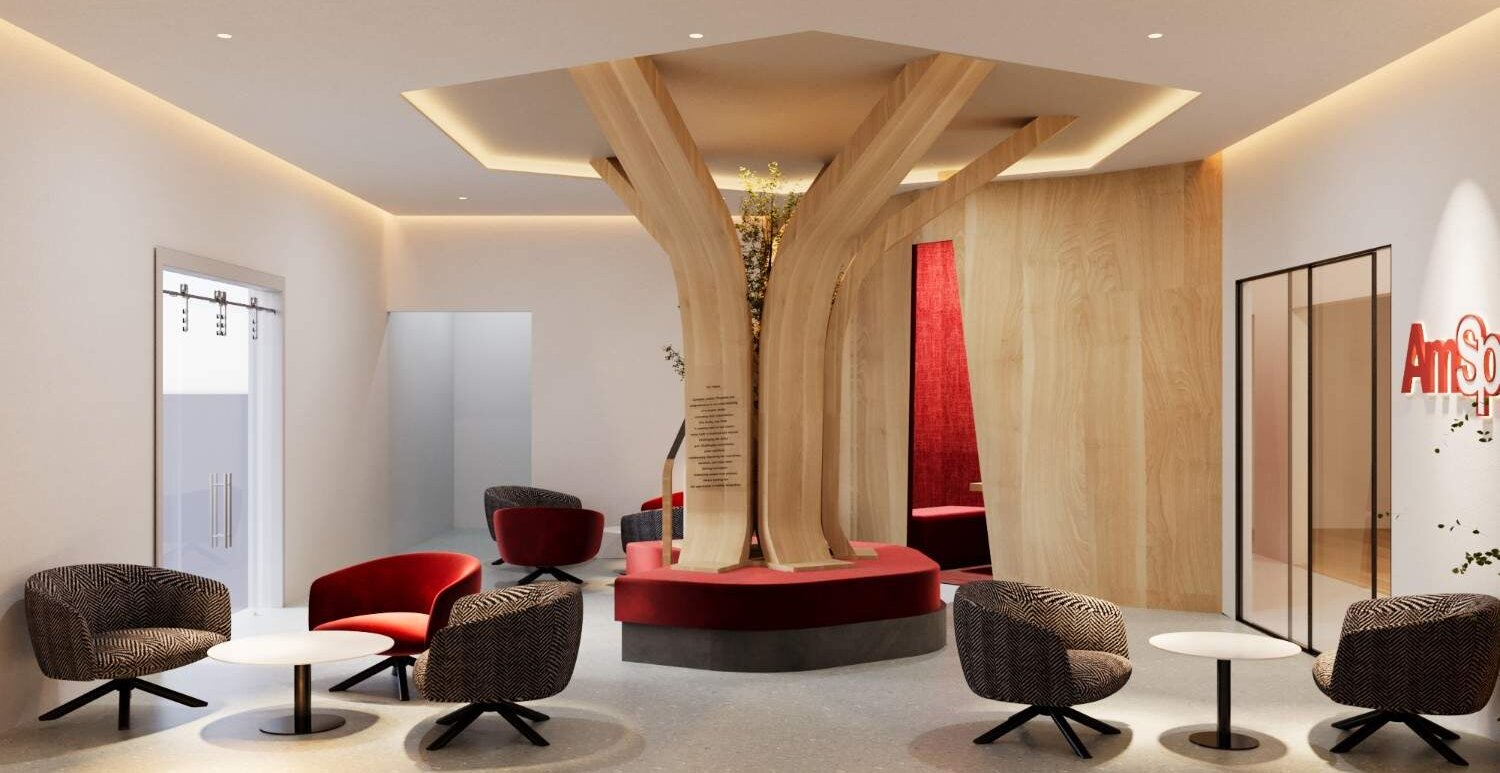
Choosing a partner to design and build your office, retail space, or workspace is one of the most consequential decisions you’ll make as a business owner. The right fit out doesn’t just look good — it shapes how your team works, how clients perceive you, and how efficiently your space performs day to day. With so many commercial interior fit out companies competing for your project, narrowing down the right one can feel overwhelming. Here’s a practical guide to help you shortlist confidently.
1. Define Your Project Scope and Budget First
Before you even start researching vendors, get internal clarity on what you actually need. Are you doing a full turnkey fit out, a partial renovation, or a design-only engagement? Do you have a fixed budget, or flexibility depending on quality? Companies respond far more accurately to well-defined briefs, and you’ll be able to compare quotes on an apples-to-apples basis rather than guessing which company padded their estimate and which one is missing scope.
2. Check Portfolio Relevance, Not Just Portfolio Size
A flashy portfolio doesn’t automatically mean a company understands your industry. A fit out that works beautifully for a fashion retail showroom may be entirely wrong for a fintech office or a healthcare clinic. Look specifically for:
- Projects in your sector (corporate offices, retail, hospitality, healthcare, coworking, etc.)
- Similar project scale and budget range
- Design versatility versus a “one-look-fits-all” style
If a company’s past work all looks the same regardless of client, that’s often a signal of limited flexibility rather than a strong signature style.
3. Verify Turnkey Capability
Many businesses assume “fit out company” means one thing, but capabilities vary widely. Some firms only handle design, subcontracting execution to third parties — which can create accountability gaps when something goes wrong. The strongest, most reliable players are true turnkey providers who manage design, civil work, MEP (mechanical, electrical, plumbing), furniture, and final handover under one roof. This reduces coordination headaches and keeps timelines and budgets tighter, since there’s a single point of accountability.
4. Evaluate Project Management and Communication Style
A fit out project can stretch over weeks or months, and poor communication is one of the top reasons projects run over budget or miss deadlines. During your initial conversations, notice:
- How quickly they respond to queries
- Whether they assign a dedicated project manager
- How transparently they discuss timelines, risks, and dependencies
- Whether they use tools for progress tracking (Gantt charts, site photos, weekly updates)
A company that communicates clearly before you’ve even signed a contract is a strong indicator of how they’ll behave once the project is underway.
5. Ask About Compliance, Safety, and Vendor Relationships
Fit outs involve permits, fire safety norms, building codes, and often coordination with landlords or facility management. Ask potential partners how they handle regulatory compliance and whether they have established relationships with certified vendors for electrical, HVAC, and fire safety systems. A company with strong vendor networks can often execute faster and troubleshoot supply issues more efficiently than one working with unfamiliar subcontractors on every project.
6. Compare Quotes Carefully — Not Just the Bottom Line
The lowest quote is rarely the best value. When comparing proposals, look at:
- What’s included (materials, furniture, electrical work, HVAC, false ceiling, flooring)
- Payment milestones and what triggers each payment
- Warranty terms on workmanship and materials
- Provisions for change orders or scope changes mid-project
A detailed, itemized quote — even if slightly higher — usually reflects a more experienced company that has planned for contingencies rather than one that will surprise you with add-on costs later.
7. Read Reviews and Talk to Past Clients
Client testimonials on a website are curated by definition, so go a step further. Ask for references from projects completed in the past 6–12 months, and actually call them. Ask about:
- Whether the final cost matched the initial quote
- How delays (if any) were handled
- Post-handover support and snag-fixing responsiveness
This single step often reveals more about a company’s reliability than any portfolio image ever could.
8. Look for Sustainability and Future-Ready Design
Modern workplaces increasingly factor in energy efficiency, flexible layouts, and sustainable materials. A forward-thinking fit out company will proactively suggest options like energy-efficient lighting, modular furniture that adapts as your team grows, and materials with lower environmental impact — even if you didn’t explicitly ask for them.
9. Shortlist 3–4 Companies and Run a Structured Comparison
Once you’ve done your research, avoid the temptation to pick based on gut feeling alone. Create a simple comparison sheet across your shortlisted vendors covering cost, timeline, portfolio fit, communication quality, and compliance track record. This structured approach removes bias and helps you make a decision the whole leadership team can stand behind.
Final Thoughts
The best outcomes come from partnering with leading commercial interior fit out companies that combine design sensibility with strong project execution and transparent communication. Take the time upfront to vet capability, not just aesthetics — your workspace will serve your business for years, and the company you choose to build it plays a direct role in how smoothly that journey goes.
If you approach the shortlisting process methodically — defining scope early, verifying turnkey capability, checking references, and comparing quotes in detail — you’ll significantly reduce the risk of budget overruns, delays, and design mismatches, setting your business up with a space that truly works for you.
