

Missing several teeth changes more than your smile. Eating gets awkward, speech can feel off, and you may catch yourself covering your mouth without thinking. If you have been told you need a larger treatment plan, a Roanoke cosmetic dentist can help you sort through options, though the whole thing can still feel expensive, personal, and hard to sort through. That reaction makes sense.
When a restorative and prosthetic dentist looks at multiple tooth replacement options, the goal is not just to fill empty spaces. The real job is to help you chew well, protect the teeth you still have, support your jaw, and choose something you can live with day after day. The best plan usually comes down to seven factors, and each one affects what makes sense for your mouth and your budget.
Bone and gum health shape every replacement plan
The first thing dentists study is the condition of your gums and jawbone. Once teeth are missing, the bone in that area can shrink over time. Gum disease can also weaken support for any future restoration. If the foundation is unhealthy, even a well-made bridge, denture, or implant can fail sooner than expected.
This is why exams, imaging, and periodontal checks come first. In some cases, treatment starts with gum care or bone grafting before replacement begins. According to the NCBI overview of oral health and disease, oral tissues and bone health directly affect function and long-term outcomes. You may want the fastest fix, but skipping this step often creates bigger problems later.
The number and position of missing teeth change the options
Losing two back teeth is different from losing several teeth across the upper arch. Dentists look at where the spaces are, how many teeth are gone, and whether the missing teeth are next to each other or spread out. That pattern determines whether a bridge is realistic, whether a partial denture will be stable, or whether implants would carry the load better.
If the gaps are in visible areas, appearance may carry more weight. If the missing teeth are molars, chewing force becomes the bigger issue. A treatment that looks fine in the front may not hold up in the back if it has to absorb heavy bite pressure every day.
Your remaining teeth must be strong enough to help
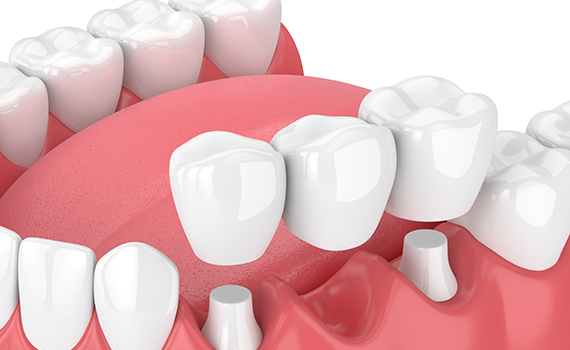
Some restorations depend on nearby teeth for support. A traditional bridge, for example, uses neighboring teeth as anchors. If those teeth already have large fillings, cracks, gum loss, or looseness, asking them to do more may not be wise.
This is where a dentist weighs preservation against convenience. Saving healthy enamel matters. If the supporting teeth are strong, a bridge may work well. If they are not, implants or a removable option may protect the rest of your mouth better. This is one of the main reasons replacing several missing teeth is never a one size fits all decision.
Bite force and jaw alignment affect comfort and durability
Your bite tells a bigger story than many people expect. Clenching, grinding, uneven wear, or a collapsed bite can break restorations, strain the jaw joint, and make dentures less stable. If you wake up with sore jaw muscles or have a history of broken crowns, your dentist pays close attention to that.
A replacement that looks good on paper can become frustrating if your bite is not managed properly. Dentists may adjust the plan, add a night guard, or recommend a design that spreads force more evenly. The goal is not just to replace teeth, but to make the new teeth work with the rest of your mouth instead of fighting it.
Medical history and daily habits influence healing
General health matters. Diabetes, autoimmune conditions, dry mouth, smoking, and some medications can slow healing or raise the risk of infection. That does not mean treatment is off the table. It means the plan may need to be staged differently or monitored more closely.
Home care matters just as much. Fixed restorations and dentures both need regular cleaning. The National Institute on Aging guide to daily mouth care explains how brushing, cleaning between teeth, and denture care help prevent decay, irritation, and gum problems. If a plan only works when care is perfect, and your routine is already stretched thin, a simpler option may actually be the smarter one.
Materials affect strength, appearance, and long term wear
Not all dental materials behave the same way. Acrylic, metal frameworks, porcelain, zirconia, and newer implant components each have strengths and tradeoffs. Some are lighter. Some hold up better under force. Some look more natural in visible areas.
Material choice matters even more when several teeth are being replaced because the restoration has to balance looks, durability, and comfort over a larger span. The NIDCR page on dental materials research highlights how material science continues to improve wear resistance, bonding, and function. A good plan is not just about the type of restoration. It is also about what that restoration is made from.
Cost, maintenance, and lifespan need an honest comparison
Most people are thinking about cost from the start, and they should. The upfront fee matters, but so do repairs, relines, replacement parts, and how long the restoration is expected to last. The least expensive option today can become the most expensive one if it needs frequent remakes or causes damage elsewhere.
| Option | Best Fit | Pros | Limits |
| Removable partial denture | Several missing teeth with a lower initial budget | Lower upfront cost, non surgical, easier to modify | Less stable, can feel bulky, needs regular maintenance |
| Fixed bridge | Missing teeth next to healthy support teeth | Fixed in place, familiar feel, good function | Requires support teeth, may be harder to clean under |
| Implant supported restoration | Strong bone support and a long term focus | Excellent stability, helps preserve bone, does not rely on nearby teeth | Higher initial cost, healing time, may require surgery or grafting |
Your goals matter as much as the clinical findings
Some people care most about chewing steak again. Others want to smile in photos without feeling exposed. Some want the longest lasting option. Others need the least invasive route because of health, schedule, or finances. Dentists consider those goals because the right treatment has to fit your life, not just your X rays.
A thoughtful restorative dentist will explain the tradeoffs clearly. You should know what each option solves, what it does not solve, and what you will need to do to keep it working.
Three steps you can take before committing to treatment
Get a full diagnostic workup. Ask for imaging, a bite evaluation, and a review of gum and bone health before choosing a plan. If you are comparing options without that information, you are comparing guesses.
Ask for a long term cost breakdown. Request the expected maintenance, repair needs, and likely lifespan of each option. A lower quote means less if the restoration needs repeated adjustments or replacement.
Match the treatment to your real habits. Be honest about smoking, grinding, missed cleanings, and how much daily care you can manage. A practical plan you can maintain is better than an ideal plan that fails under real life conditions.
If you are facing several missing teeth, you do not need to rush into the first option offered. A careful plan can restore comfort, appearance, and function in a way that holds up. The right next step is a detailed consultation with a restorative and prosthetic dentist who can assess your mouth, explain your options clearly, and help you choose a solution you can trust.
