

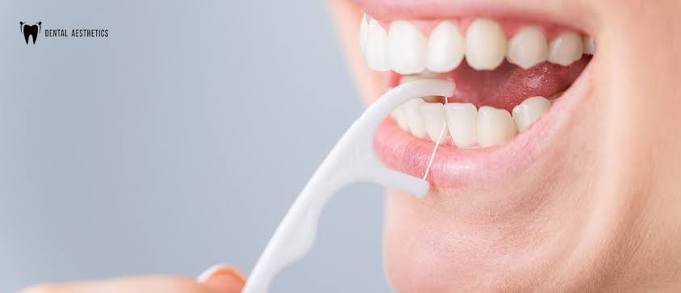
You notice it in the mirror or right before bed. The floss catches, frays, or snaps in the same spot, and suddenly a simple habit feels like a warning sign. That reaction makes sense. When floss shreds between two teeth, it usually means something in that area is rough, tight, damaged, or trapping debris. It does not always mean a major problem, but it does mean your mouth is giving you useful information. If you are also exploring ways to restore your smile with custom dentures in Covina, paying attention to these signs can help you know when it is time to seek professional care.
A general dentist usually checks for a few common causes first, including tartar buildup, a rough filling edge, a chipped tooth, a cavity between teeth, or gum changes that expose uneven surfaces. If the floss keeps tearing in one place, the goal is to find out what is catching it and fix the source, not just switch floss and hope it stops.
Floss shredding between teeth often points to a surface problem
Floss is meant to slide against smooth tooth surfaces. When it shreds, there is often a tiny snag that your fingers cannot see. A dentist will usually examine the contact point between the two teeth and the gumline around them. Even a very small rough edge can act like a hook.
One common cause is hardened plaque, also called tartar or calculus. It can build up near the gumline and create a sharp or uneven surface. If you have gone a while between cleanings, this is one of the first things a dentist may suspect. The National Institute of Dental and Craniofacial Research explains the basics of oral hygiene and how daily cleaning helps reduce buildup that can lead to trouble spots.
Another cause is a filling or crown with an overhang or rough margin. Dental work should feel smooth to floss. If it does not, floss may fray every time it passes through. A small chip in natural enamel can do the same thing. You may not feel it with your tongue, but floss will find it right away.
Floss frays between teeth can also happen when decay forms between teeth. Early cavities in that area are easy to miss at home because you cannot see them well. A rough decayed spot may shred floss before it causes pain. That is one reason this issue deserves attention even if nothing hurts.
Dentists also check the gums when floss gets stuck between teeth
If the gum tissue is swollen or pulling away from the tooth, floss can behave differently. Inflammation changes the shape of the space between teeth, and recession can expose root surfaces that are softer and rougher than enamel. Food may pack into that area more easily, which adds to the problem.
You might have noticed bleeding too, or a bad taste that keeps coming back. Those details matter because gum disease often develops quietly. The NIDCR page on gum disease explains how swollen gums, deep pockets, and tartar can all affect what happens when you floss.
Sometimes the issue is tooth movement. If two teeth shift slightly, the contact point can become tighter in one area and open in another. Then floss may snap on the way in or shred on the way out. That can happen after grinding, dental work, gum changes, or simple wear over time.
What a dentist looks for during an exam for floss shredding
During a visit, a dentist will usually inspect the area visually, floss the contact themselves, and check the surfaces with an explorer. X rays may be needed if the problem seems to be between the teeth or under the gumline. This is often a short, targeted exam, but it can answer a lot quickly.
If the cause is tartar, a cleaning may solve it. If a filling edge is rough, polishing or replacing that restoration may be the fix. If there is decay, treatment depends on how deep it goes. If gum disease is involved, the plan may include a deeper cleaning and better home care. MedlinePlus has a helpful overview of dental health topics if you want a broad look at what can affect teeth and gums.
| What you notice at home | What a dentist may find | Typical next step |
| Floss frays in the same spot every day | Rough filling, chipped enamel, or tartar | Polishing, cleaning, or repair |
| Floss shreds and the gum bleeds | Gingivitis or early gum disease | Professional cleaning and gum care plan |
| Floss snaps and food keeps getting trapped | Cavity between teeth or changed tooth contact | X rays and restorative treatment if needed |
| Floss catches near older dental work | Open margin or overhanging restoration | Adjustment or replacement |
Ignoring shredded floss can turn a small issue into a bigger one
This is where people get stuck. If there is no pain, it is easy to put it off. The problem is that rough areas collect more plaque, trapped food, and bacteria. Then the gum gets irritated, the area gets harder to clean, and a simple snag can turn into decay or a deeper gum issue.
The financial side matters too. Smoothing a rough edge or removing tartar is usually much simpler than treating a cavity that has grown or replacing a damaged restoration later. When floss keeps failing in one place, your mouth is giving you an early chance to deal with it.
Three smart steps to take when floss shreds between two teeth
1. Pay attention to the exact tooth and spot. Try to identify whether it happens on the way down, under the gumline, or while pulling floss back out. That detail helps a dentist narrow down whether the issue is a tight contact, a rough edge, or buildup.
2. Do not force the floss through. Snapping floss hard into the gums can injure the tissue and make the area more sore. Use a gentle sawing motion. If regular floss keeps shredding, you can try a waxed floss briefly, but treat that as a temporary workaround, not the answer.
3. Schedule a dental exam if it keeps happening. Repeated snagging in the same place deserves a closer look. Why floss shreds between teeth is often something small and fixable, especially when checked early by a general dentist.
If floss has been tearing in one spot, you are not overreacting by paying attention to it. Small changes in how your teeth clean often show up before pain does. A dentist can check the area, find what is catching the floss, and help you protect both the tooth and the gum around it. If this keeps happening, book a visit with a general dentist and get it looked at before a rough spot becomes a larger repair.
