

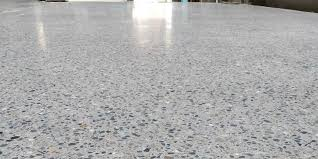
Polished concrete flooring has become one of the most popular flooring choices in modern Australian homes and commercial spaces. Its clean appearance, durability, low maintenance requirements, and compatibility with contemporary interior design trends have made it increasingly attractive for homeowners, architects, and businesses alike.
However, many people researching polished concrete quickly discover that pricing can vary significantly between projects. Some floors may appear relatively affordable initially, while others involve far higher costs due to preparation work, finish quality, and structural conditions. Understanding what contributes to polished concrete pricing helps property owners budget more realistically and avoid unexpected expenses during installation.
Why Polished Concrete Pricing Varies So Much
Unlike standard flooring materials that are installed over an existing surface, polished concrete often depends heavily on the condition of the slab underneath. Every project is different because concrete quality, preparation needs, finish levels, and accessibility all influence the amount of labour and equipment required.
Residential homes, warehouses, retail spaces, and commercial buildings may also require different polishing systems depending on traffic levels and aesthetic goals.
Project complexity has a major impact on total cost.
Typical Polished Concrete Costs In Australia
Pricing varies widely across Australia depending on finish type, slab condition, and project scale.
General industry estimates often include:
- Basic polished concrete finishes: approximately AUD $50 to $80 per square metre
- Mid range polished concrete: approximately AUD $80 to $120 per square metre
- Premium high gloss or decorative finishes: AUD $120 to $150+ per square metre
Complex preparation work, decorative aggregates, difficult access, or extensive repairs may increase costs further.
Large commercial projects sometimes achieve lower per square metre rates due to scale efficiencies.
Surface Preparation Is One Of The Biggest Cost Factors
A major part of polished concrete pricing involves preparing the existing slab correctly before polishing begins.
Preparation may include:
- Removing old flooring materials
- Grinding uneven surfaces
- Repairing cracks or damage
- Levelling inconsistencies
- Moisture management
- Cleaning contaminants or adhesives
Poor slab condition often increases labour time significantly.
Many homeowners researching polished concrete floor cost in Australia underestimate how much preparation affects the final budget.
Preparation quality strongly influences long term flooring performance.
Grinding And Polishing Require Specialised Equipment
Polished concrete installation uses industrial grinding and polishing machines designed to smooth and refine the concrete surface gradually through multiple stages.
The process involves progressively finer grinding levels to achieve the desired finish, sheen, and aggregate exposure.
Professional equipment, skilled operators, dust extraction systems, and time intensive polishing stages all contribute to overall project pricing.
High quality finishes require considerable technical precision.
Aggregate Exposure Influences Pricing
The amount of stone or aggregate exposure visible within the polished concrete surface can affect labour intensity and cost.
Minimal exposure finishes generally require less grinding, while heavily exposed aggregate finishes involve deeper grinding into the slab to reveal more stone texture and visual detail.
Decorative aggregate exposure often creates a more premium appearance but may increase project complexity and installation time.
Aesthetic preferences directly influence pricing outcomes.
Finish Type Changes The Final Cost
Polished concrete is available in different finish levels ranging from matte and satin through to highly reflective gloss finishes.
Higher gloss finishes usually require additional polishing stages and more detailed refinement to achieve smoother reflective surfaces.
Protective sealers, colour staining, decorative scoring, or custom finishes may also increase costs depending on the desired result.
More customised finishes generally require greater labour investment.
New Builds Vs Existing Homes
Polished concrete is often more cost effective in new construction projects where the slab is specifically designed and poured with polishing in mind from the beginning.
Existing homes may involve additional demolition, floor removal, levelling, or structural preparation before polishing can proceed successfully.
Retrofitting older slabs can therefore become more expensive compared with planned new build installations.
Project timing strongly influences budget efficiency.
Labour Quality Affects Long Term Results
Polished concrete flooring requires skilled workmanship to achieve consistent appearance, smoothness, and durability.
Lower cost providers may reduce preparation stages or use less refined polishing processes, potentially affecting finish quality and long term performance.
Choosing experienced installers often improves both appearance and durability over time.
Quality workmanship usually provides better long term value.
Maintenance And Longevity Offer Long Term Savings
Although polished concrete can involve higher upfront installation costs compared with some flooring materials, many property owners value its durability and lower maintenance requirements long term.
Polished concrete typically resists heavy wear well and does not require regular replacement like some carpet or vinyl products.
Long lifespan often improves overall value across the life of the property.
Helpful Related Flooring Research
Property owners also benefit from reviewing low maintenance flooring solutions for modern homes and sustainable flooring trends in Australia because these related topics strengthen broader understanding of long term flooring performance and interior design planning.
Better planning supports stronger renovation outcomes.
Polished Concrete Flooring Costs
Polished concrete pricing depends on many interconnected factors including slab condition, preparation requirements, finish quality, aggregate exposure, labour complexity, and project scale. Understanding these cost components helps property owners budget more accurately and avoid unrealistic pricing expectations.
While polished concrete may involve higher initial investment than some flooring options, many homeowners and businesses value its durability, modern appearance, and long term maintenance advantages.
Careful planning and experienced installation are essential for achieving polished concrete floors that deliver both strong visual impact and lasting performance over time.
