

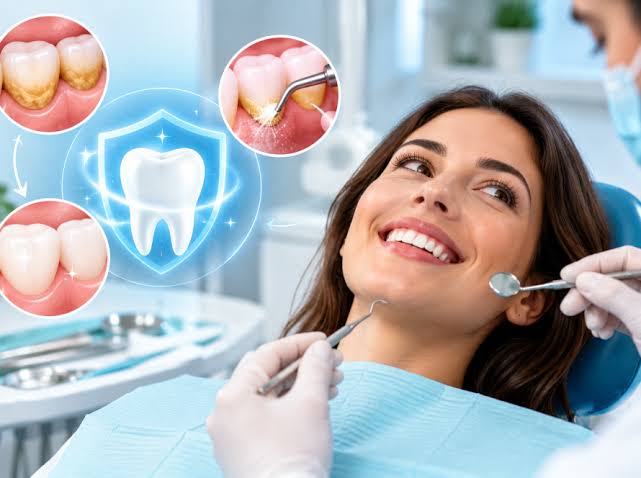
You brush, you rinse, maybe you floss when you can, and then you sit in the dental chair and wonder why a cleaning still feels like such a different experience. That reaction is common. A lot of people leave an appointment thinking, “I brush every day, so why did they still find buildup?” The short answer is that brushing at home and a professional cleaning do two different jobs. One helps control plaque day to day. The other removes hardened deposits, checks for problems you cannot see, and gives your mouth a deeper reset. For patients also exploring tooth replacement in Iosco County, MI, these visits can be an important part of maintaining overall oral health.
If you have ever felt embarrassed hearing words like tartar, bleeding gums, or early gum disease, you are not alone. Most people are doing the best they can with a toothbrush and a busy life. The difference is not failure on your part. It is the difference between daily maintenance and trained, clinical care from a general dentist.
Brushing at Home Controls Plaque but Dental Cleanings Remove Tartar
Brushing at home is your first line of defense. It removes food particles and helps break up soft plaque before it causes trouble. The problem is that plaque hardens into tartar if it is not fully removed. Once that happens, your toothbrush cannot scrub it off. That is one big reason professional teeth cleaning vs brushing feels so different. The tools, pressure, angles, and training are not the same.
Tartar often builds up along the gumline and between teeth, especially in spots that are easy to miss when you are tired, rushing, or dealing with crowded teeth. You may think your mouth feels clean, yet small deposits can still sit there for weeks or months. During a cleaning, those deposits are scaled away. That scraping sensation is not something you can recreate safely at home, and it should not be.
There is also the gum factor. If your gums are inflamed, even gentle brushing can miss the deeper issue. According to the CDC, gum disease can begin with swollen or bleeding gums, and tartar buildup raises that risk. A cleaning helps lower that burden before it turns into something more painful and expensive.
Professional Dental Cleanings Include More Than the Polishing Feeling
Many people focus on the smooth, polished feeling after a visit, but that is only part of it. A dental cleaning usually includes an exam, a review of your gums, and a closer look at signs of decay, wear, recession, or other changes. That is why why dentists clean better than brushing is not really about someone brushing harder. It is about using specialized instruments and checking your oral health as a whole.
A routine dental exam can uncover cavities, gum concerns, and other problems early, when they are easier to treat. You might not feel anything yet. Early dental issues are often quiet. That is why people get caught off guard. No pain does not always mean no problem.
The polishing step matters too. It helps remove surface stains and leaves teeth feeling slicker, which can make it a little harder for plaque to cling right away. That clean feeling after a visit is real, but it comes from several steps working together, not just one spin with a brush.
Daily Oral Hygiene and Professional Care Work Best Together
This is where people get frustrated. If a cleaning does so much, does brushing even matter? Absolutely. Without daily brushing and flossing, plaque comes back fast. The National Institute of Dental and Craniofacial Research explains that good oral hygiene includes brushing twice a day and cleaning between teeth. Home care slows buildup, lowers cavity risk, and supports healthier gums between visits.
Think of it this way. If you skip brushing and rely only on appointments, your gums and teeth take the hit in the weeks between cleanings. If you brush well but skip dental visits, tartar and early problems can still build quietly. The best results come from both. That is the real answer to why dental cleanings feel different from brushing at home. They are connected, but they are not interchangeable.
At Home Brushing and Professional Cleaning Are Not the Same Job
| Home Brushing and Flossing | Professional Dental Cleaning |
|---|---|
| Removes soft plaque daily | Removes hardened tartar that brushing cannot |
| Helps freshen breath and reduce food debris | Targets buildup around the gumline and in hard to reach areas |
| Depends on your technique, time, and consistency | Uses trained methods and specialized tools |
| Does not diagnose hidden problems | Often includes an exam for cavities, gum issues, and wear |
| Best for daily maintenance | Best for deeper prevention and early detection |
A simple example makes this clearer. You can wash your car at home and still need professional detailing once grime gets into places your regular routine does not reach. Your mouth works in a similar way, except the stakes are higher because untreated buildup can lead to decay or gum disease.
Three Steps You Can Take Right Away
Brush with more intention. Spend a full two minutes twice a day, angle the bristles toward the gumline, and move tooth by tooth instead of rushing across the front surfaces. If you tend to brush hard, ease up. Scrubbing harder does not remove tartar.
Clean between your teeth every day. Floss, interdental brushes, or water flossers can all help, depending on what you will actually use. The point is to break up plaque where your toothbrush does not reach. If your gums bleed, that can be a sign they need more consistent care, not less.
Keep regular dental visits on the calendar. If it has been a while, you do not need to feel ashamed. Dental teams see this every day. Getting back in now can stop a small issue from turning into a larger one that costs more and hurts more.
The Difference Comes Down to Depth, Tools, and Early Detection
If your teeth feel cleaner after a dental visit than they do after brushing at home, that is not your imagination. Home brushing is daily upkeep. A professional cleaning reaches hardened buildup, supports gum health, and helps catch problems before they become harder to manage. Both matter, and one does not replace the other.
If you have been putting off a visit because you assumed brushing was enough, this is a good time to schedule a cleaning with a general dentist. A fresh start is still a start, and your mouth does not need perfection to get better.