

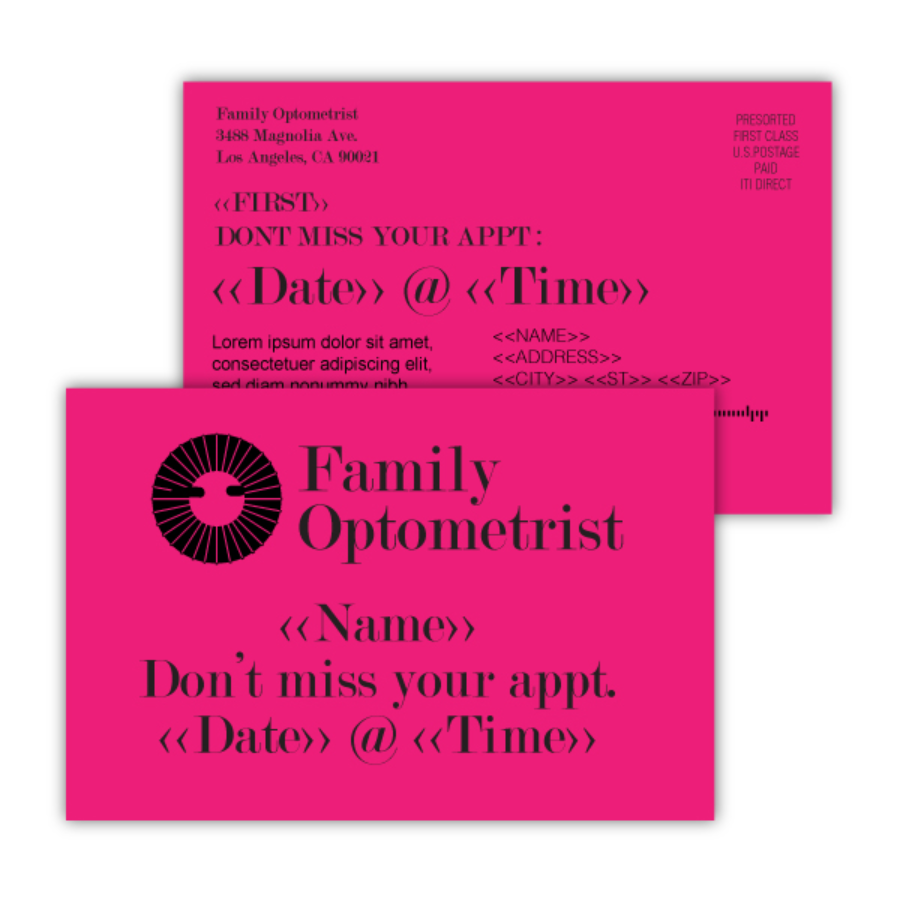
Repeat customers often come from consistent, useful communication rather than a single promotion. Postcard marketing services help local businesses stay visible after an initial purchase by putting relevant offers, reminders, and updates directly into customers’ homes. A well-planned postcard can bring a previous customer back, encourage another purchase, and keep the business familiar between visits. For businesses using iti Direct Mail, direct mail can become part of a repeat-customer strategy that connects printed messaging with the needs of a local audience.
Why Repeat Customers Matter for Local Businesses
A first purchase creates an opportunity, but the second purchase can establish a much stronger relationship. Customers who already know a business generally need less explanation before making another decision. They have experienced the product or service, formed an opinion, and know what to expect.
The challenge is staying relevant after that first transaction. Customers have busy schedules and may not remember a business when they need the same service again. A postcard provides a physical reminder that can remain in a home or office instead of disappearing among online messages.
For local businesses, this visibility can be especially useful. A nearby customer may need a service again months after the original visit. A timely postcard can remind them who helped them before and give them a reason to return.
Postcards Keep a Business Visible After the First Sale
Digital messages can be easy to overlook. A postcard has a physical presence, giving customers something they can see, read, and keep for later.
The message does not need to be complicated. A local business can use a postcard to remind customers about seasonal services, introduce a new offering, announce an upcoming promotion, or simply reinforce its presence in the community.
Repetition also matters. A customer may not respond to the first postcard, yet repeated and relevant communication can make the business more familiar. The goal is not to send the same message repeatedly. Instead, each mailing should offer a useful reason to pay attention.
For example, a home service company could send maintenance reminders based on the time of year. A restaurant could promote a new menu item to nearby past customers. A dental practice could remind patients about routine appointments. A retail business could introduce products connected to previous purchases.
Personal Relevance Gives Printed Mail More Value
A postcard becomes more useful when the message reflects the recipient’s likely needs. Sending the same offer to every person may waste an opportunity to make the communication feel relevant.
Customer information can help businesses divide their mailing lists into practical groups. These groups might include previous customers, recent customers, customers who have not purchased recently, or people within a specific service area.
The message can then reflect each group’s relationship with the business. Someone who purchased a service recently may need a follow-up reminder, while a long-time customer may respond better to a seasonal offer or a new service announcement.
This kind of segmentation also helps control the quality of the message. Customers receive information that has a clear connection to their relationship with the business rather than a generic advertisement.
Give Customers a Clear Reason to Return
A postcard should do more than remind people that a business exists. It should provide a practical reason to take another step.
That reason could be a seasonal service, a new product, an appointment reminder, an invitation, or a special offer. The message should make the next action easy to understand.
Three elements can make a repeat-customer postcard more useful:
- A relevant message: Connect the offer or reminder to the customer’s likely needs.
- A clear call to action: Tell readers exactly what they can do next, such as visit, call, book, or shop.
- A recognizable brand: Use consistent colors, wording, contact details, and visual elements so customers immediately recognize the business.
A strong call to action does not need several instructions. One clear next step can make the postcard easier to act on.
Use Timing to Stay Relevant
A repeat-customer campaign works best when the message arrives close to a genuine customer need. Poor timing can make even a well-designed postcard less useful.
Businesses can plan mailings around natural customer cycles. A landscaper may communicate before seasonal yard work begins. An auto service business can send maintenance reminders based on common service intervals. A local retailer may mail promotions around periods when customers are more likely to shop.
The objective is to make the postcard feel useful rather than intrusive. A customer should be able to understand why the message reached them and why the information matters at that particular point.
Businesses can also create a simple mailing calendar to avoid sending too many messages close together. Consistent communication should feel intentional, not random.
Connect Printed Mail With Other Customer Touchpoints
Direct mail does not have to operate by itself. A postcard can point customers toward a website, online booking page, social profile, phone number, or physical location.
A QR code can provide a direct path from the printed piece to a digital destination. For example, a customer could scan the code to schedule an appointment, view a menu, browse products, or claim an offer.
The printed postcard provides the physical reminder, while the digital destination gives customers a convenient way to respond. This combination can make campaign performance easier to evaluate and can create a more connected customer journey.
Businesses should keep the destination closely related to the postcard message. Sending customers to a general homepage when the postcard promotes a specific service can create unnecessary steps.
Professional Printing and Mailing Can Improve Consistency
Creating postcards internally may seem straightforward, but recurring campaigns require more than designing a card. Address preparation, print quality, mailing requirements, list management, and campaign coordination all affect the final result.
A professional postcard print and mail service can manage several of these tasks as part of one process. This can help businesses maintain consistent branding and reduce the administrative work involved in recurring campaigns.
Businesses can also use printing and mailing postcards as part of larger customer-retention campaigns. Different versions can be prepared for specific customer groups, service areas, or promotions while maintaining a consistent brand identity.
The physical quality of the postcard matters too. Clear printing, readable text, strong imagery, and accurate contact information help the piece look credible and make the message easier to absorb.
Build a Mailing List Around Customer Relationships
A repeat-customer campaign is only as useful as the mailing list behind it. Businesses should maintain accurate customer information and remove outdated addresses regularly.
Customer data can also provide insight into purchasing patterns. A business may identify customers who have purchased once but have not returned, frequent customers who may respond to loyalty messaging, or groups that typically purchase certain services during specific seasons.
Privacy should remain part of the process. Businesses should handle customer information responsibly and follow applicable direct-mail and data-protection requirements.
A clean mailing list also supports better segmentation. Instead of sending every customer the same postcard, businesses can create smaller groups and give each one a message that fits its relationship with the brand.
Measure More Than Immediate Responses
A postcard campaign should not be judged only by how many people respond immediately. Repeat-customer marketing can influence future purchasing decisions, brand recognition, and customer retention.
Businesses can use unique promotional codes, dedicated landing pages, QR codes, or campaign-specific offers to identify responses. Customer records can also help reveal changes in repeat purchases after a campaign.
Tracking results over multiple campaigns can show which messages, customer groups, and offers generate stronger engagement. This information can then guide future mailings.
The goal is to learn what customers respond to and improve the communication over time. A mailing campaign becomes more useful when each campaign provides information that helps shape the next one.
Make Every Postcard Earn Attention
A postcard has limited space, so every element needs a purpose. The headline should communicate the main idea quickly. Supporting text should explain the offer or reminder without filling the card with unnecessary information.
Images can reinforce the message, but they should not make important text difficult to read. Contact information should be easy to locate, and the call to action should stand out naturally within the design.
A local business can also use its community connection as part of the message. Mentioning a nearby service area, local event, familiar location, or neighborhood-specific offer can make the postcard feel more relevant to its audience.
The most effective postcard is rarely the one with the most information. It is the one that makes the intended message easy to understand and gives the recipient a clear reason to respond.
Turning One-Time Buyers Into Regular Customers
Repeat business grows from familiarity, relevance, and consistent communication. A postcard gives local businesses a simple physical way to remain in front of people who have already shown interest or made a purchase.
A postcard and mailing service can support this process by handling the practical side of preparing and sending campaigns, allowing businesses to focus on the message and customer experience. For businesses that want a coordinated approach, iti Direct Mail can be part of a broader plan that combines targeted mailing, relevant offers, and consistent brand communication.
Businesses ready to strengthen their direct-mail strategy can request quote now and begin planning postcards around the customers they want to bring back. The strongest campaigns are built around customer needs rather than constant promotion. A useful reminder, timely offer, or relevant update can give someone a reason to return when they are ready to buy again.
