

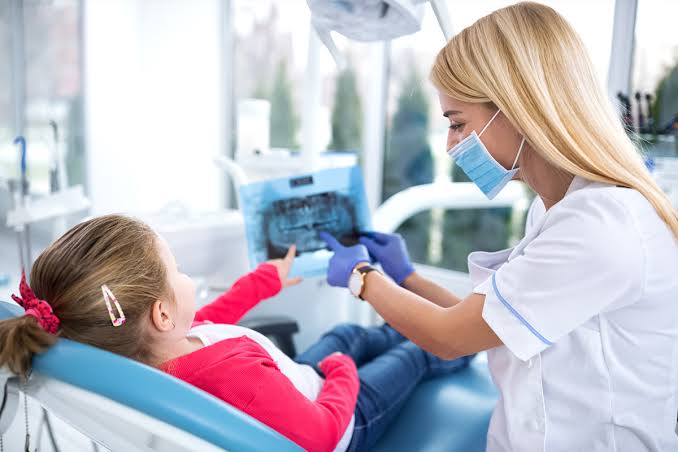
You want dental care that fixes the problem without ignoring the rest of your health. That usually starts after a frustrating pattern. You go in for one issue, get a quick recommendation, and leave feeling like nobody asked about your sleep, stress, diet, dry mouth, jaw tension, or the products you use every day. If that sounds familiar, you are not overthinking it. Your mouth does not work apart from the rest of your body, and a good dental plan should reflect that, especially if you are looking for holistic dentistry in Spring, TX.
A whole body general dentist blends current clinical tools with a broader view of health. That means digital imaging, careful diagnostics, and proven restorative care are still part of treatment, but they are paired with prevention, material awareness, nutrition guidance, airway screening, and habits that support healing. The goal is not to reject standard dentistry. The goal is to use it with more intention.
Modern dental care and natural support work best when they are combined
People often assume they have to choose between science based dentistry and natural support. That split is part of the confusion. You may want fewer unnecessary interventions, but you still want accurate diagnosis, safe treatment, and durable results. A dentist with this approach does not guess. They use exams, imaging, periodontal measurements, bite analysis, and health history to understand what is going on, then look at what might be driving it.
Take recurring cavities. If you keep getting fillings, the issue may not be brushing alone. Dry mouth, mouth breathing, reflux, diet patterns, medications, or a poorly balanced bite may be contributing. According to MedlinePlus guidance on dry mouth, reduced saliva can raise the risk of tooth decay, gum disease, and mouth infections. Saliva protects your teeth. When it drops, your risk changes fast.
The same goes for gum inflammation. Bleeding gums are not just a local nuisance. They can reflect plaque buildup, poor home care technique, smoking, stress, blood sugar issues, or grinding that irritates tissue. A integrative general dentist tends to ask wider questions because the mouth often gives early signs of larger patterns.
Preventive care becomes more personal with a holistic general dentist
Prevention is where this model often feels most different. Instead of waiting for a cavity or crack to force treatment, the dentist may focus on risk reduction at home and in the chair. That can include saliva testing, pH discussion, hygiene coaching, bite guards, airway review, and product recommendations based on your needs rather than a one size fits all script.
Fluoride is one area where patients often feel torn. Some want its cavity fighting benefit and some have concerns or questions. A thoughtful dentist should explain the evidence clearly, including when fluoride may help and how it is used. The CDC overview of fluoride and cavity prevention explains its role in strengthening enamel and helping prevent tooth decay. Good care does not shame questions. It gives context, weighs your risk, and helps you make a decision that fits your health picture.
This is also where natural practices can be useful without becoming vague. Better hydration, xylitol use when appropriate, diet changes that reduce frequent sugar exposure, nasal breathing support, stress management, and sleep awareness can all affect oral health. None of that replaces a needed filling or deep cleaning. It can reduce how often you need those procedures and support better outcomes after treatment.
Material choices, treatment planning, and comfort often shape the experience
Many people looking for this kind of care are also worried about what goes into their mouth. They may ask about filling materials, biocompatibility, metal sensitivity, or whether every cracked tooth really needs the most aggressive option. Those are fair concerns. Good dentistry still has to be durable and safe, but treatment planning can allow for more discussion about materials, timing, and the least invasive route that still protects the tooth.
If you have ever felt rushed into a crown, dismissed when you mentioned jaw pain, or confused by a long treatment list, that leaves a mark. Dental anxiety is often less about fear of tools and more about fear of not being heard. A patient centered dental visit tends to slow that down. You hear why a treatment is recommended, what happens if you wait, and what supportive steps may improve healing and comfort.
Key differences in a modern and natural dental approach
| Area of Care | Conventional Only Approach | Modern and Natural Integrated Approach |
| Cavity prevention | Focus on brushing, flossing, and treatment after decay appears | Looks at saliva flow, diet frequency, dry mouth, breathing habits, and remineralization support along with standard prevention |
| Gum health | Cleaning and home care instructions | Cleaning plus review of inflammation triggers such as stress, clenching, smoking, and blood sugar concerns |
| Treatment planning | Problem tooth is treated in isolation | Considers bite, airway, habits, materials, comfort, and long term function before final recommendations |
| Dry mouth | May be mentioned only if symptoms are severe | Reviewed early because low saliva can increase cavities, gum disease risk, and discomfort |
| Patient role | Follow instructions after the visit | Take part in decisions and daily prevention with personalized guidance |
Small steps can help you find the right general dentist
Ask how they approach prevention. Listen for specifics. Do they talk about saliva, diet patterns, mouth breathing, grinding, and gum risk, or only procedures. A good answer should sound practical, not trendy.
Bring a full health list to your visit. Include medications, supplements, sleep issues, dry mouth, clenching, sinus trouble, reflux, and past dental reactions. These details matter more than most people realize, especially if your problems keep returning.
Request clear options, not pressure. Ask what is urgent, what can be monitored, and what supportive changes at home could improve the situation. You should understand the reason behind each recommendation and how it fits your overall health.
The right dental care should leave you informed and steady
You do not need to choose between modern dentistry and a more natural, body aware approach. The best care often uses both. A skilled general dentist can treat the tooth in front of them and still pay attention to the habits, symptoms, and health patterns behind it. That is often what people were looking for all along.
If you are ready for care that feels more personal, ask about an exam that reviews your oral health, daily habits, and treatment options in one plan. You deserve answers that make sense and care that respects the whole picture.
