

Introduction
In an era where our digital footprints define much of our personal and professional lives, the importance of online security has never been greater. Every time you create an account on a new platform—whether it is for e-commerce, banking, or entertainment—you are entrusting that entity with your sensitive data, including email addresses, passwords, and sometimes financial details. Unfortunately, the internet is rife with malicious actors who create deceptive websites designed to harvest this information. Before you click “Sign Up,” it is critical to perform a due diligence check to ensure you are interacting with a legitimate service. This guide will walk you through the essential steps to verify a website’s authenticity, ensuring your digital safety remains intact.
Checking for Secure Connections and Domain Integrity
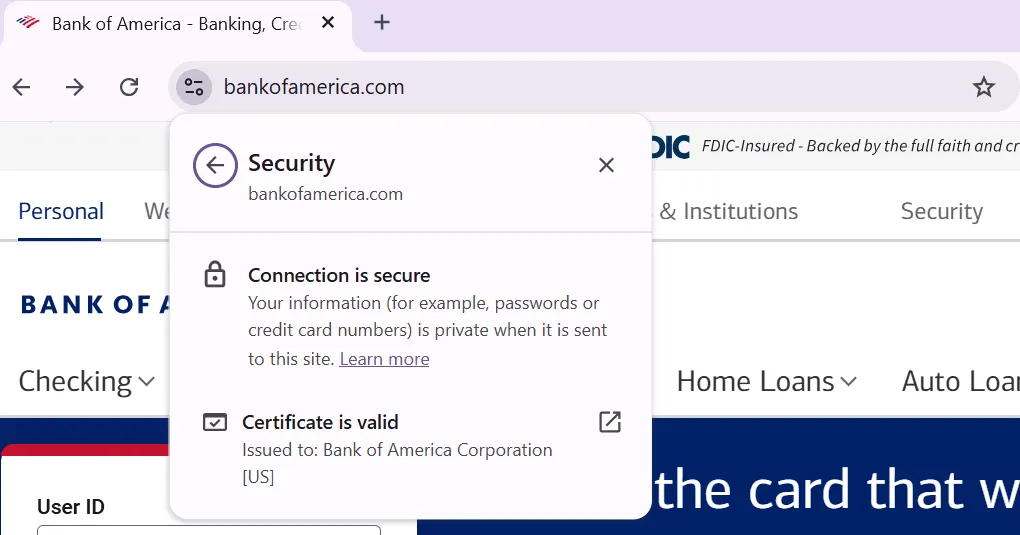
The first and most immediate step in verifying a website is to look at the browser’s address bar. A legitimate website will almost always utilize HTTPS (Hypertext Transfer Protocol Secure). You can identify this by the padlock icon located to the left of the URL. This indicates that the data exchanged between your browser and the website is encrypted.
However, do not let the padlock icon fool you into thinking a site is automatically safe. Cybercriminals often use SSL certificates on phishing sites to make them appear legitimate. You must also scrutinize the domain name itself. Look for subtle misspellings or variations that look almost identical to a well-known brand. For instance, if you are looking for a reputable gaming platform like Fun88, ensure you are visiting the official domain. Scammers often register look-alike domains to trick users. Always verify the domain through official social media channels or reliable review aggregators rather than clicking on suspicious links in emails or unsolicited SMS messages.
Evaluating Professional Design and Transparency
A website’s aesthetic and functionality are often indicators of its legitimacy. High-quality organizations invest heavily in user experience (UX) and web design. While some scams look professional, many exhibit telltale signs of neglect. When evaluating a site, look for the following:
- Broken Links: Click through several navigation menus. If multiple buttons lead to “404 Not Found” pages or go nowhere, this is a red flag.
- Contact Information: A legitimate business will clearly display its physical address, customer support email, and contact telephone number. If a site only provides a generic web form, proceed with extreme caution.
- Terms and Conditions/Privacy Policy: Professional platforms are legally required to outline how they handle your data. These documents should be comprehensive and written in clear, professional language.
- Grammar and Spelling: Frequent typos and poor grammatical structure are common in sites created by bad actors who do not prioritize professional copyediting.
Researching External Reputation and Reviews
One of the most effective ways to determine if a website is trustworthy is to see what other users are saying about it. Independent review platforms and community forums are invaluable resources.
Before committing to a site, search for “[Website Name] reviews” or “[Website Name] scam.” If you are considering a platform like Fun88, search for its reputation within the industry. Look for consistent feedback regarding withdrawal processes, customer support responsiveness, and overall platform stability. Be wary of sites that have absolutely no presence on search engines or social media; a total lack of a digital footprint is often as concerning as a negative one. Use tools like Trustpilot, Sitejabber, or specialized industry forums to gauge the consensus of the user base.
Verifying Licenses and Regulatory Compliance
For sectors such as finance, e-commerce, and online gaming, legitimate websites are required to operate under specific licenses. If a website claims to be regulated, it should clearly display its license number and the name of the governing body at the bottom of its homepage.
For example, a reputable gaming site like Fun88 typically operates under strict licensing agreements. You can often verify these credentials by visiting the website of the regulatory authority listed on the company’s site. If the company claims to be licensed but you cannot find any record of them in the regulator’s public database, you should immediately avoid creating an account. Transparency regarding licensing is a strong indicator that the company is held accountable for its actions and follows legal standards.
Conclusion
Protecting your online identity is a proactive task that requires constant vigilance. By checking for secure connections, scrutinizing domain names, evaluating the quality of the website’s design, conducting independent research, and verifying official licenses, you can significantly reduce the risk of falling victim to cybercrime. Remember that convenience should never come at the cost of your security. Whether you are signing up for a new retail service or registering on a platform like Fun88, taking an extra five minutes to verify the authenticity of the site is an investment in your long-term digital safety. Always stay skeptical, keep your software updated, and trust your instincts—if a website feels “off,” it is always better to walk away.
