

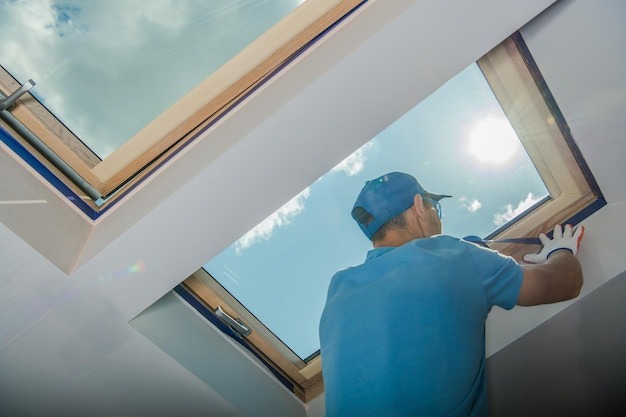
Natural light has become one of the most desirable features in modern home design. As homeowners look for ways to create brighter, healthier, and more connected interiors, the roof is receiving more attention than ever. Rather than treating it simply as a protective structure, designers are using it as an opportunity to bring daylight deep into living spaces. pyramid Skylights are one example of how architectural roof features can combine visual appeal with practical benefits, particularly in rooms that feel enclosed or lack sufficient windows.
The growing interest in daylight-focused design is part of a wider movement toward comfortable, energy-conscious, and visually open homes. Roof glazing can influence how a room feels throughout the day, changing the relationship between indoor spaces and the natural environment above them.
Why Natural Light Is Shaping Modern Home Design
Natural light can completely change the character of an interior. A room with limited daylight may feel smaller and less inviting, while a well-lit space can appear more open and comfortable.
Modern homeowners are increasingly considering daylight during the early stages of renovation and architectural planning rather than treating it as an afterthought. This approach makes it easier to consider roof orientation, room placement, glazing, and surrounding structures together.
Daylight can also create a more dynamic interior. Unlike artificial lighting, sunlight changes in intensity and direction throughout the day. Morning light can create a calm atmosphere, while stronger midday illumination can make surfaces, textures, and architectural details more noticeable.
This makes roof glazing particularly useful in areas where traditional windows cannot provide enough illumination.
Roof Design Is Becoming Part of Interior Design
The connection between a roof and an interior is easy to overlook. However, the shape and position of a roof opening can influence everything from the distribution of daylight to the visual proportions of a room.
Contemporary design increasingly treats roof features as architectural elements rather than purely functional additions. A carefully selected rooflight can become a defining feature while still supporting the practical purpose of bringing natural light indoors.
This is especially relevant in spaces such as:
- Kitchens where daylight can make work surfaces feel brighter and more welcoming.
- Living rooms where overhead light can create a stronger connection with the outdoors.
- Hallways where conventional windows may not be practical.
- Extensions where new walls may have limited opportunities for side-facing windows.
- Open-plan interiors where light needs to reach areas positioned away from external walls.
The result is a more thoughtful approach to residential design, where lighting, architecture, and everyday use work together.
The Rise of Architectural Skylights
Skylights have evolved considerably from simple roof openings. Modern designs can complement different architectural styles while providing controlled access to daylight.
One reason they remain popular is their ability to introduce light from above. Side windows generally illuminate a room from one direction, but overhead glazing can distribute daylight differently across floors, walls, and surfaces.
The architectural shape also matters. Geometric forms can add visual interest while influencing how light enters the space. A well-positioned skylight can become a focal point without overwhelming the rest of the room.
For homeowners planning renovations, this creates an opportunity to think beyond conventional windows and consider how the roof itself can contribute to the atmosphere of an interior.
How Roof Lanterns Create a Sense of Space
Roof lanterns are particularly interesting because they can introduce both height and daylight. Their raised structure creates a stronger visual connection between the room and the sky, which can make an interior feel more spacious.
This effect can be especially useful in extensions, dining areas, kitchens, and other rooms where creating an open atmosphere is a priority.
The perception of additional space does not necessarily come from increasing the physical dimensions of a room. Instead, natural light and upward views can make boundaries feel less restrictive.
When combined with suitable ceiling finishes and carefully selected interior materials, a roof lantern can contribute to a bright and balanced environment.
Daylight and the Comfort of Everyday Living
Lighting affects how people experience their surroundings. A naturally illuminated room can feel different from one that depends entirely on artificial lighting, even when the furniture and layout remain unchanged.
Daylight can highlight architectural features, reveal natural textures, and make colors appear more varied throughout the day. This creates an interior that feels more connected to changing outdoor conditions.
There is also a practical consideration. Bringing daylight into areas that previously relied heavily on artificial illumination can make it easier to use those spaces comfortably during daylight hours.
However, successful daylight design is not simply about maximizing the amount of sunlight entering a home. Balance matters. Glazing should be considered alongside shading, ventilation, orientation, and the intended use of the room.
Designing for Light Without Creating Glare
More daylight is not automatically better. Excessive direct sunlight can create glare, uncomfortable brightness, or unwanted heat in certain spaces.
This is why the position, size, orientation, and specification of roof glazing should be considered carefully. The surrounding architecture can also influence the amount of light reaching a skylight.
Interior planning plays an important role as well. Furniture placement, surface finishes, blinds, and other shading solutions can help manage the way daylight interacts with the room.
A thoughtful design aims for useful daylight rather than simply maximum daylight.
Materials Matter More Than They First Appear
The materials surrounding a skylight can influence how effectively natural light spreads through an interior.
Light-colored walls and ceilings generally help reflect daylight deeper into a room, while darker finishes can absorb more of the available illumination. Glossy surfaces may create stronger reflections, whereas matte textures can produce a softer visual effect.
The glazing itself is also an important consideration. Different glazing specifications can influence factors such as light transmission, solar control, thermal performance, and visual clarity.
Choosing the right combination requires looking at the entire room rather than selecting a rooflight in isolation.
A More Integrated Approach to Home Renovation
Modern renovation trends increasingly focus on how different elements of a home work together. Roofing, insulation, ventilation, glazing, lighting, and interior design are no longer separate considerations.
For example, adding overhead glazing may influence the ceiling design. The ceiling design may then affect the placement of artificial lighting. Furniture positioning can influence how daylight moves through the room, while shading requirements may affect the final glazing choice.
This integrated approach can produce more cohesive results.
Choosing a Roof Feature for Your Space
Every room has different requirements, so the right roof feature depends on more than appearance.
Before making a decision, homeowners should consider how the space is used, where daylight is currently limited, and what type of atmosphere they want to create.
Important considerations include:
- Room function: A kitchen, hallway, living room, and bedroom may require different approaches to daylight.
- Roof structure: The existing roof construction can influence which solutions are appropriate.
- Orientation: The direction a roof faces can affect the quality and intensity of incoming daylight.
- Ventilation: In suitable designs, ventilation can work alongside natural lighting to improve overall comfort.
- Shading: Consider how direct sunlight will affect the room during brighter periods.
- Architectural style: The roof feature should complement the existing character of the property.
- Glazing performance: Thermal and solar-control characteristics should be considered alongside appearance.
Thinking about these factors early can make the design process more coherent.
The Role of Skylights Roof Lanterns in Modern Design
As daylight-led architecture continues to influence residential design, Skylights Roof Lanterns reflects the broader interest in roof glazing that combines architectural character with practical functionality.
The appeal of these features is not limited to creating a brighter room. A carefully designed roof opening can influence the proportions, mood, and visual identity of an entire interior.
This is particularly valuable when working with extensions or remodeled spaces where traditional windows may not provide the desired amount or distribution of natural light.
Rather than adding a roof feature simply because it is fashionable, homeowners can consider how it supports the overall design concept and daily experience of the room.
Connecting Indoor Spaces With the Outdoors
Another important trend in modern architecture is the desire to create stronger connections between indoor and outdoor environments.
Large windows, glazed doors, open-plan layouts, and roof glazing all contribute to this idea in different ways. Skylights offer something unique because they introduce views and light from above.
Looking upward can create a different relationship with the outside world. Instead of focusing only on gardens, streets, or surrounding buildings, occupants can experience changing skies, daylight patterns, and seasonal conditions.
This can give a room a more open architectural character without requiring large openings along its walls.
Why Roof Glazing Can Transform Extensions
Home extensions often create additional floor space but can introduce challenges around daylight. New rooms may sit deeper within a property, reducing their access to traditional windows.
Roof glazing can address this design challenge by introducing daylight through the ceiling or roof structure.
In a kitchen extension, for example, overhead glazing can brighten the central part of the room while maintaining wall space for cabinetry and appliances. In a dining area, it can create a visually distinctive setting without relying entirely on artificial lighting.
The key is to design the glazing as part of the extension rather than adding it after the main layout has already been established.
Looking Beyond Trends
Design trends can provide inspiration, but lasting architectural decisions should be based on the needs of the property and the people using it.
A rooflight should not simply follow a popular aesthetic. Its position, proportions, materials, and performance should make sense within the wider structure.
Good design tends to remain relevant because it solves practical problems while creating an appealing environment. Natural light is unlikely to lose its importance, which makes daylight-focused roof design more than a passing trend.
The most successful solutions are those that look appropriate, feel comfortable, and continue to support the way a space is used.
Creating Brighter Spaces With Purpose
Modern roof design is increasingly focused on more than protection from the elements. It can influence how a home feels, how daylight moves through its rooms, and how occupants experience their surroundings.
Skylights, roof lanterns, and other forms of overhead glazing provide opportunities to rethink spaces that might otherwise feel dark or enclosed. When carefully planned, they can introduce daylight while adding architectural interest and supporting a stronger connection with the outdoors.
The goal should always be purposeful design. Instead of simply adding more glass, consider where light is needed, how it will behave throughout the space, and how the roof feature fits into the wider architecture.
A well-planned daylight solution can turn an ordinary interior into a more open, welcoming, and visually engaging space. If you are exploring ways to bring more natural light into your home, Contact us to discuss how a thoughtfully designed roof feature could complement your space and renovation goals.
