


A dependable heating system is essential for comfortable winters in Dubuque, IA. When an older furnace struggles to maintain indoor temperatures, requires frequent repairs, or produces uneven heat, replacing it with a properly sized system becomes an important home improvement decision. A new heater also provides an opportunity to improve energy use and indoor comfort.
Choosing the right heater installation service in Dubuque, IA involves more than selecting a furnace from a product list. Your home’s size, insulation, ductwork, existing heating system, and household comfort needs all influence the installation process. Understanding these factors helps you make a practical replacement decision and avoid problems caused by improper equipment selection or installation.
Signs Your Home Needs a New Heating System
Several warning signs indicate that your current heater is approaching the end of its useful service life. Paying attention to these problems helps you plan a replacement before a heating failure leaves your home uncomfortable.
Common signs include:
A. Frequent heating repairs
B. Rising energy bills without increased usage
C. Uneven temperatures between rooms
D. Unusual banging, rattling, or grinding sounds
E. A heater that struggles to reach the thermostat setting
F. Equipment that requires repeated service during winter
Older systems also tend to lose efficiency as components wear. If repair costs continue to increase, replacement provides a more predictable long-term solution.
How Proper Heater Sizing Improves Comfort
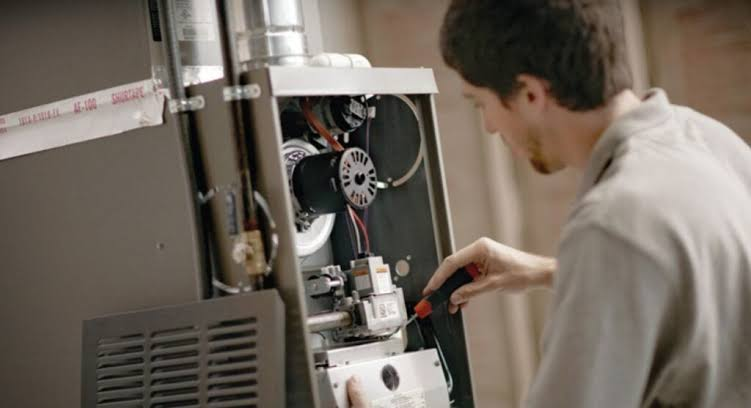
Correct equipment sizing is one of the most important parts of a heating installation. An oversized heater can cycle on and off too frequently, while an undersized unit can run for extended periods without providing adequate warmth.
Professional installers should perform a Manual J load calculation to determine the home’s heating requirements. The calculation considers factors such as:
A. Home square footage and layout
B. Insulation levels
C. Window and door efficiency
D. Ductwork condition
E. Existing heating capacity
F. Local winter conditions
This assessment helps determine an appropriate system capacity rather than relying solely on the size of the previous unit. Homeowners comparing replacement proposals can ask whether each bidder has completed a Manual J load calculation before recommending equipment.
What to Expect During Heater Installation
A professional installation begins with an evaluation of the existing heating setup. The technician reviews equipment placement, connections, ductwork, ventilation, and other relevant components before removing the old system.
During installation, proper connections and clearances receive careful attention. For a furnace, this includes checking venting, combustion air, and the heat exchanger, along with the required electrical and fuel connections. The new system is then tested to verify heating performance, airflow, thermostat operation, and safe operation. Testing is important because installation quality directly affects reliability and efficiency.
For homeowners considering a heater installation service in Dubuque, IA, asking about equipment sizing, Manual J load calculations, installation procedures, warranty coverage, and post-installation testing provides useful information before work begins.
Choosing Equipment for a Heater Replacement

Replacing an aging heater also requires choosing the appropriate fuel type and equipment design. A gas furnace burns natural gas or another approved fuel to generate heat, while an electric furnace uses electric resistance heating. A heat pump transfers heat rather than generating it through combustion, making it a different type of heating system to evaluate.
For furnaces, homeowners should compare the Annual Fuel Utilization Efficiency (AFUE) rating, which indicates how efficiently a furnace converts fuel into usable heat. A higher AFUE generally indicates greater fuel-use efficiency, although actual operating costs also depend on fuel prices, system sizing, installation quality, and household usage.
Furnaces may also use single-stage, two-stage, or modulating operation. Single-stage equipment generally operates at one heating level, while two-stage and modulating systems can adjust output more closely to heating demand. Comparing these options helps homeowners evaluate comfort, efficiency, operating characteristics, and upfront costs when replacing an older system.
Understanding Heater Replacement Costs
Heater replacement costs vary based on equipment type, system capacity, installation complexity, ductwork requirements, venting, electrical or fuel connections, and other property-specific factors. As a broad planning range, homeowners may encounter installed furnace replacement costs of roughly $4,000 to $10,000 or more, while heat pump installations can vary substantially depending on the system and whether additional components are required.
A written proposal should identify the equipment model, installation labor, required modifications, permits where applicable, removal of the existing system, and any additional charges. Comparing complete proposals rather than equipment prices alone provides a clearer picture of the total replacement investment.
Benefits of Professional Heater InstallationMore Consistent Indoor Temperatures
A properly selected and installed heater distributes warmth more effectively throughout the home. Correct airflow and thermostat operation also help reduce uncomfortable hot and cold areas.
Improved Energy Efficiency
Modern heating equipment is designed to use energy efficiently when properly sized and installed. Correct installation helps the system operate according to its intended performance specifications.
Better System Reliability
Professional installation reduces problems associated with incorrect connections, poor airflow, improper sizing, and other installation-related issues. A properly commissioned system provides dependable heating when outdoor temperatures drop.
Greater Safety
Heating equipment requires correct installation, ventilation, electrical connections, and combustion-related components where applicable. For combustion equipment, proper venting, combustion air, and heat exchanger condition are particularly important. Professional attention to these areas supports safe operation and reduces installation-related risks.
Preparing for a New Heater
Before installation day, clear the area surrounding the existing equipment and make sure technicians have reasonable access to the system. Keep thermostat information, previous repair records, and equipment details available if possible.
After installation, replace or inspect the air filter according to manufacturer recommendations. Keep supply and return vents unobstructed, and schedule routine professional maintenance to support efficient operation.
Heater Replacement Options in Dubuque, IA
If your current heater is aging, unreliable, or struggling to keep your Dubuque home comfortable, evaluate replacement options before the next major heating problem occurs. Compare system sizes, fuel types, AFUE ratings, equipment stages, installation requirements, efficiency, and long-term operating considerations with a qualified heating professional.
Conclusion
A properly installed heating system supports comfort, efficiency, reliability, and safe operation throughout the Dubuque winter. Understanding equipment sizing, fuel type, efficiency ratings, installation procedures, replacement costs, and maintenance requirements helps you make an informed replacement decision. When your home needs dependable heating, schedule a professional evaluation and discuss the right installation solution for your property.
Warranty coverage is another important part of the replacement decision. The manufacturer’s equipment warranty generally covers eligible defects in the heating equipment itself, while a contractor’s labor warranty addresses certain installation-related workmanship issues. Homeowners should review the duration, exclusions, registration requirements, and covered components of both warranties before approving a replacement.
