

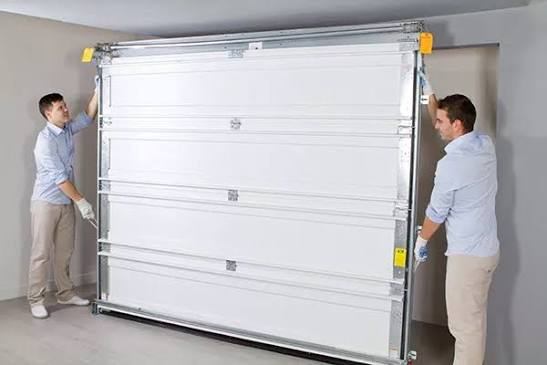
A new garage door delivers immediate value to your home. Curb appeal increases, security strengthens, and daily access becomes more convenient. But once installation is done, the work does not stop there. A garage door cycles hundreds of times annually, and without regular upkeep, even a premium model will show signs of wear far sooner than expected.
Michigan’s climate is particularly unforgiving. Freezing winters, damp springs, and dramatic temperature swings place significant stress on seals, springs, and hardware. If you recently had garage door installation in Auburn Hills, MI, the steps below will help you protect that investment from day one.
1. Keep Moving Parts Clean and Properly Lubricated
Hinges, rollers, and bearings endure significant friction with every cycle. Without proper lubrication, metal-on-metal friction accelerates wear, shortening the lifespan of these components considerably.
Use a lubricant made for garage doors and apply it to the moving components on a regular basis. This includes a dedicated silicone or lithium-based spray, not a general-purpose household lubricant like WD-40, which is a solvent and displaces the grease these components need. One thing to avoid: do not put lubricant inside the tracks. Tracks collect dirt and need to be wiped clean, not coated with grease that will attract more debris.
2. Check How the Door Moves
Stand clear and observe your garage door through a complete opening and closing cycle. It should operate smoothly, remain level, and move without requiring excessive force. If it shakes, drags, or the opener sounds strained, the door may be out of balance.
To check balance yourself, pull the red emergency release cord to disconnect the opener, then lift the door manually to about waist height and let go. A properly balanced door stays in place. If it falls or shoots upward, the spring tension needs adjustment.
Balance issues place additional strain on the opener motor, leading to premature failure. A technician can check the spring tension and make adjustments safely. Do not attempt spring work on your own since these parts hold a large amount of stored energy.
Listen for unusual sounds. Squeaking, grinding, or banging are not normal operating sounds. New or unusual noises usually indicate a specific issue, whether it is a loose bolt, a worn roller, or failing hardware. Catching it early keeps a small fix from turning into a bigger one.
3. Inspect and Maintain the Weatherstripping
The rubber seals along the bottom and sides protect your garage from rain, wind, pests, and frigid drafts. In a Michigan winter, a damaged seal can let in moisture that causes real problems inside the garage.
Check the weatherstripping a few times a year. Look for cracking, visible gaps, or sections that have detached from the door. Replacement seals are inexpensive and simple to install compared to the cost of repairing water damage.
4. Keep the Tracks Free From Dirt and Debris
Leaves, dust, and grime build up inside the tracks over time. Once there is enough buildup, the door starts to drag or move unevenly. Wipe the tracks out during your regular inspections and check for any visible bending or misalignment. If the door is not traveling straight, call a professional rather than trying to force the track back into position yourself.
5. Test the Safety Features Regularly
The auto-reverse function and photo-eye sensors are critical safety components that protect both people and property. Test them monthly by placing an object in the door’s path and confirming the door reverses. Keep the sensor lenses clean and free of dirt. If your safety test fails, stop using the door and schedule service.
6. Schedule Professional Maintenance
Certain components are not suitable for DIY maintenance. Springs, cables, and high-tension hardware require trained hands and the right equipment. Pay particular attention to the cables and bottom brackets, which carry the same tension as the springs and are just as dangerous to handle without proper training. Most rollers and cables are rated for around 10,000 cycles, so a door used four to five times daily will reach that threshold in roughly five to seven years. Annual professional service covers the components that are difficult to assess without experience, and it often catches problems before they cause a breakdown.
This is especially worth doing after garage door installation in Auburn Hills, MI, where seasonal changes affect how the door performs year-round.
Final Words
Taking care of a new garage door does not require a lot of time, just consistency. Lubricate the moving parts, inspect the seals, test the safety features, and bring in a professional when something is beyond basic maintenance. Follow these steps, and your garage door installation in Auburn Hills, MI, will deliver reliable performance for years to come.
