

Introduction
Wearable technology has come a long way since the days of clunky pedometers and basic heart rate monitors. Today, wearables are not just about tracking steps or receiving notifications; they are becoming integral to our health, productivity, and even our social lives. From smart glasses that overlay digital information onto the real world to advanced health monitors that can detect early signs of disease, wearable tech is reshaping how we interact with technology—and with each other.
The Evolution of Wearables: From Niche to Necessity
Wearable technology was once considered a luxury or a gimmick, but it has rapidly evolved into a necessity for many. The global wearable tech market is projected to reach over $100 billion by 2026, driven by innovations in health monitoring, augmented reality (AR), and seamless integration with other smart devices.
Health and Wellness: The Heart of Wearable Innovation
Modern wearables are revolutionizing healthcare. Devices like the Apple Watch and Fitbit now offer ECG monitoring, blood oxygen level tracking, and even fall detection for elderly users. Companies are also exploring wearables that can monitor glucose levels non-invasively, which could be a game-changer for diabetics.
But the future holds even more promise. Researchers are developing wearables that can track stress levels, hydration, and even detect early signs of illnesses like Parkinson’s or Alzheimer’s through subtle changes in movement patterns.
Augmented Reality: The Next Frontier
AR wearables, such as Microsoft HoloLens and Magic Leap, are transforming industries from gaming to surgery. Imagine a surgeon receiving real-time data overlays during an operation or a factory worker getting step-by-step repair instructions without looking away from their task. AR glasses are also poised to replace smartphones, offering hands-free access to information, navigation, and communication.
Fashion Meets Function
Wearables are no longer just functional—they’re fashionable. Brands like Garmin, Samsung, and Fossil are collaborating with fashion designers to create devices that blend seamlessly with everyday attire. Smart jewelry, like rings and bracelets, can now track activity and notify you of calls or messages without the bulk of a traditional smartwatch.
The Role of AI in Wearable Tech
Artificial intelligence is the backbone of modern wearables. AI algorithms analyze the vast amounts of data collected by these devices to provide personalized insights. For example, AI can detect irregular heart rhythms and alert users to seek medical attention. It can also adapt to your sleep patterns and suggest optimal bedtimes.
But AI’s influence doesn’t stop at health. It’s also enhancing user experiences in entertainment and productivity. Imagine your wearable curating a playlist based on your mood or activity level—speaking of which, ai music is another exciting frontier where AI is making waves, creating personalized soundtracks for every moment of your day.
Challenges and Considerations
Despite the rapid advancements, wearable tech faces several challenges:
- Privacy and Security: With wearables collecting sensitive health data, ensuring user privacy and protecting against data breaches is paramount.
- Battery Life: Many wearables still struggle with battery life, limiting their functionality and convenience.
- Accessibility: High costs and limited availability can make advanced wearables inaccessible to many people.
What’s Next for Wearable Tech?
The future of wearable technology is bright and full of possibilities. Here are a few trends to watch:
- Brain-Computer Interfaces: Companies like Neuralink are working on wearables that can interpret brain signals, potentially allowing users to control devices with their thoughts.
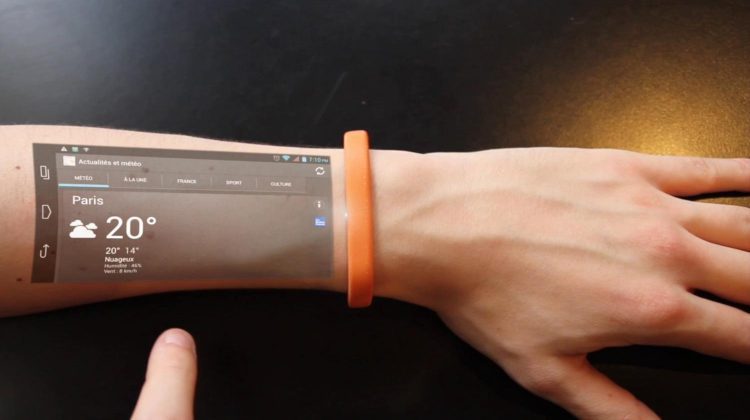
- E-Skin: Flexible, stretchable electronics that can be worn like a second skin, monitoring health metrics or even changing color based on your mood.
- Sustainability: As technology advances, there’s a growing focus on creating wearables from eco-friendly materials and ensuring they are recyclable.
Conclusion
Wearable technology is more than just a trend—it’s a transformative force that’s enhancing our lives in ways we never imagined. From improving our health to augmenting our reality, wearables are becoming an essential part of our daily routines. As technology continues to evolve, we can expect wearables to become even more integrated, intuitive, and indispensable.